By
By 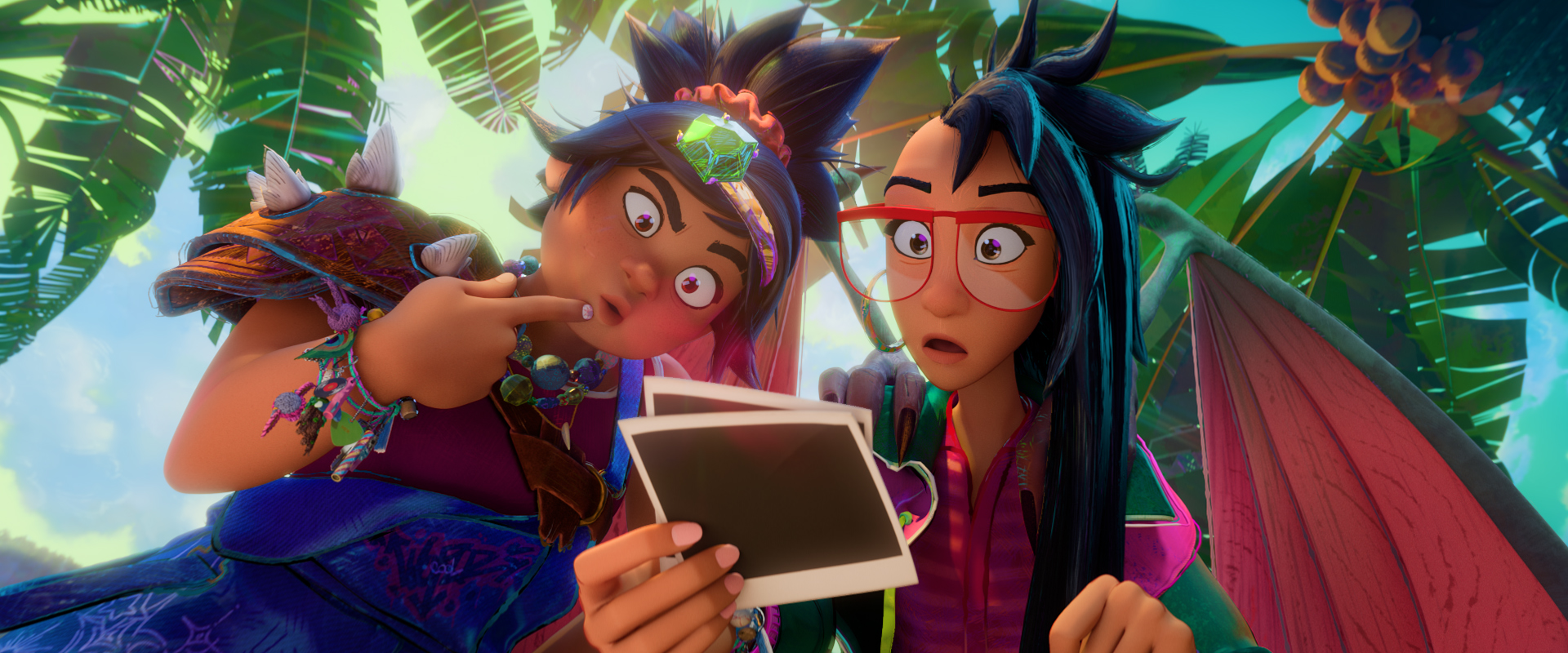
Forgotten Island (2026)
No memory left behind.
DreamWorks Animation has never been afraid of strange worlds, but Forgotten Island arrives with a history that makes its particular patch of madness feel unusually personal. Publicly announced in April 2025, the project had already spent years taking shape behind the scenes, with writer-directors Joel Crawford and Januel Mercado ultimately devoting around six years to the story. The pair first became close while working as storyboard artists at DreamWorks on Kung Fu Panda 2 (2011), later reuniting on Puss in Boots: The Last Wish (2022), but this time the inspiration came much closer to home. Mercado is Filipino-American, Crawford’s wife Kathy was born in the Philippines, and their research included traveling there with family. What emerged is not another fantasy world with a cultural coat of paint thrown over the top, but a story built around Filipino family life, folklore, food, music and the complicated emotions attached to leaving home.
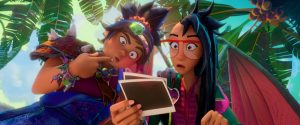
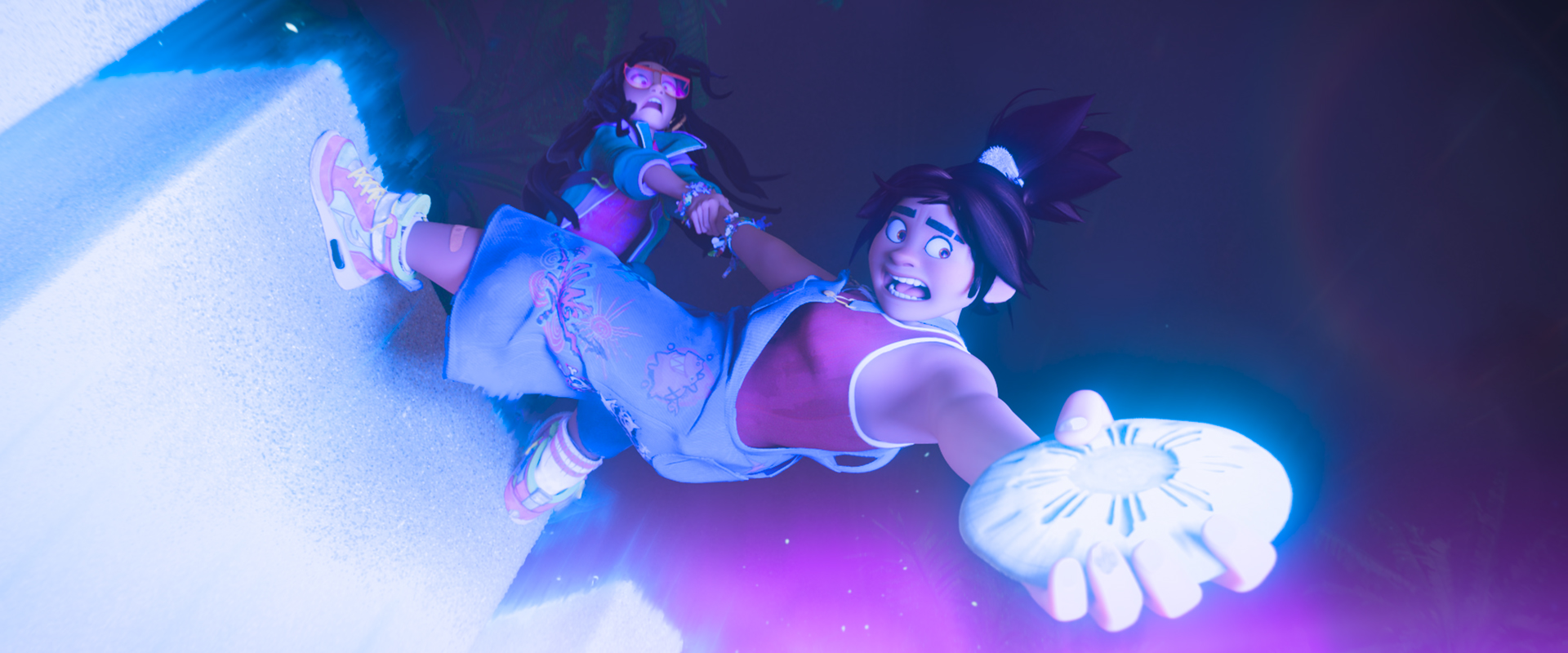
Set in the Philippines during the 1990s, Forgotten Island begins with lifelong best friends Jo (H.E.R.) and Raissa (Liza Soberano) approaching the moment neither particularly wants to confront. High school is over and Raissa is preparing to leave for the United States to study at Caltech, while Jo is facing the considerably less exciting prospect of being left behind. Their friendship has been shaped by years of chaos, karaoke, experiments and stories from Jo’s beloved Lola Fatima (Dolly de Leon), particularly tales about the mysterious island of Nakali. Determined to squeeze one last adventure out of their remaining time together, the pair head out for a final night before Raissa leaves. A portal soon turns Lola’s stories into something considerably more real.
They wind up on the island of Nakali, which is where the relatively grounded coming-of-age setup goes completely nuts. Jo and Raissa find themselves in a bizarre world populated by the creatures they grew up hearing about. After spending their first night on the island, the pair wake with no recollection of what happened, only to discover that they have already traveled across Nakali, crossed paths with its strange inhabitants and apparently caused more than a little trouble along the way. Hoping to recover their memories and figure out how to get home, they retrace their steps, piece together the events of their forgotten night and gather an increasingly strange collection of companions, turning the journey into part fantasy quest, part friendship crisis and part supernatural hangover before their shared history disappears along with everything else.
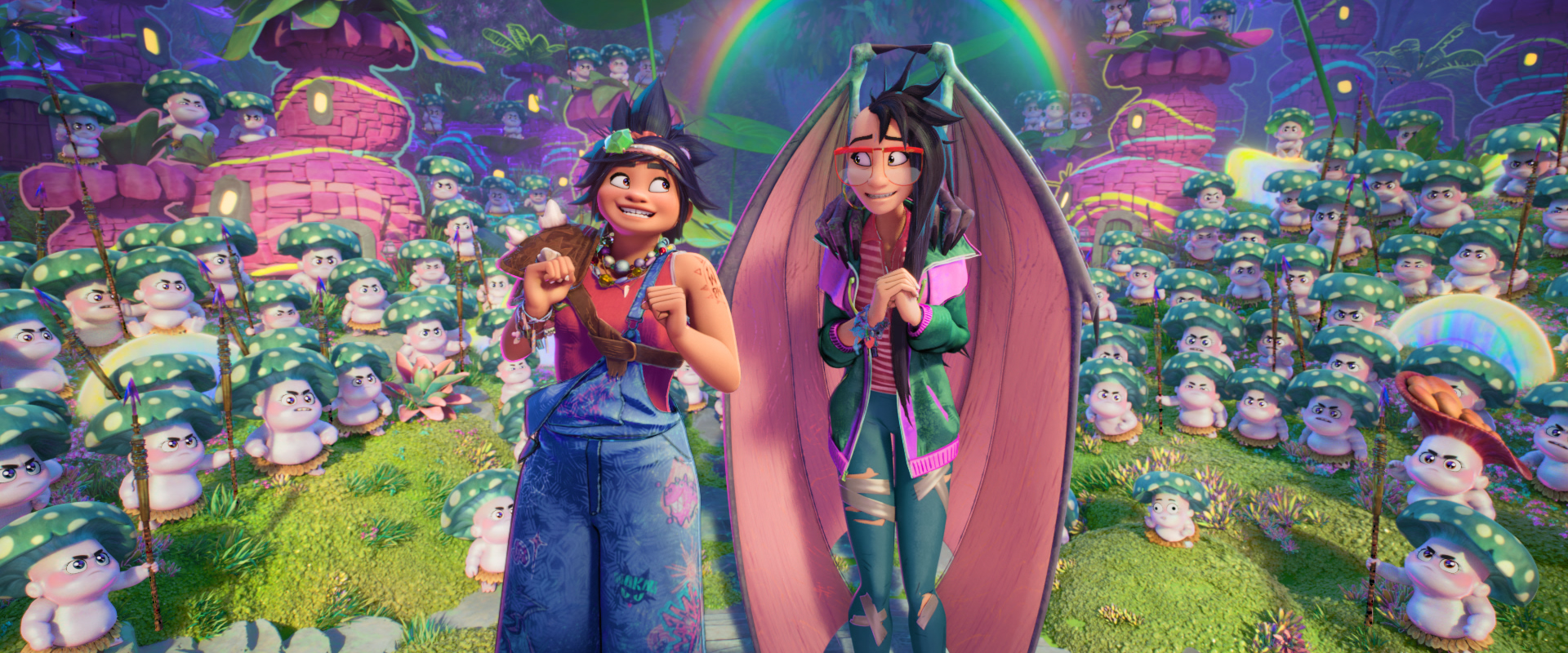
That setup is familiar in broad strokes — two friends facing adulthood and discovering that growing up sometimes means growing apart — but Crawford and Mercado give it an identity rarely seen on this scale. Filipino culture is not pushed to the edges as mere flavoring. It is woven throughout, from food and karaoke to Raissa’s bustling despedida, complete with lechon, extended family and the religious imagery that quietly fills the background of home life. That cultural specificity extends to the mythology, which is allowed to remain wonderfully weird. Nakali is not populated by interchangeable fantasy mascots created to sell plush toys; it draws on creatures that have been frightening, amusing and confusing generations through regional folklore.
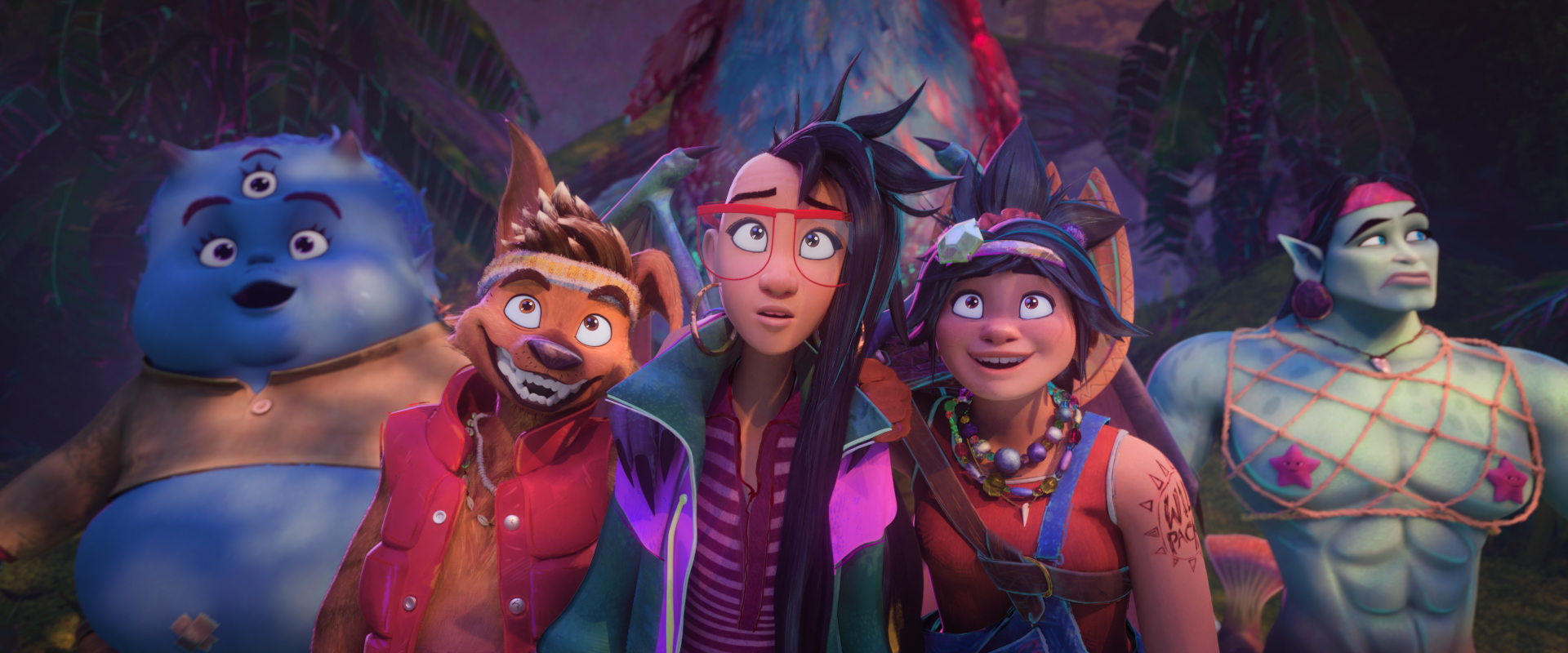
Chief among them is Manang (Lea Salonga), a formidable take on the manananggal, one of the more unsettling creatures in Filipino folklore. Traditionally depicted as a nocturnal monster capable of separating its upper body from its legs before taking flight on bat-like wings, it is hardly the sort of folklore figure usually softened into family-friendly animation. Forgotten Island has plenty of fun with that darkness without stripping it away completely. Bungi (Manny Jacinto), meanwhile, draws from the tiyanak, an infant-like creature said to lure unsuspecting travelers with its cries, while the odd, bulbous Batiba (Jenny Slate) reworks the batibat into a memory-stealing creature who collects and hoards other people’s memories. Kapre, diwata and duwende also make their way into Nakali’s increasingly crowded collection of inhabitants, giving the adventure a distinctly Filipino identity rather than simply filling the island with generic fantasy monsters. Better still, Crawford and Mercado rarely stop to turn any of this into a mythology lesson, instead allowing the creatures to be funny, creepy, ridiculous and occasionally all three at once.
That cultural specificity gives Forgotten Island its greatest strength. There is a wonderful confidence in allowing these creatures to remain odd rather than smoothing them into more familiar Western archetypes. Some are threatening, some silly and some manage to be both within about thirty seconds. The approach also suits the story’s larger argument about memory. Folklore survives because people keep telling it, changing it and passing it along. Jo and Raissa are terrified of losing their personal memories at exactly the same time that the production is celebrating cultural memories that have survived across families and generations. The two ideas fit together far more elegantly than the frantic plotting initially suggests.
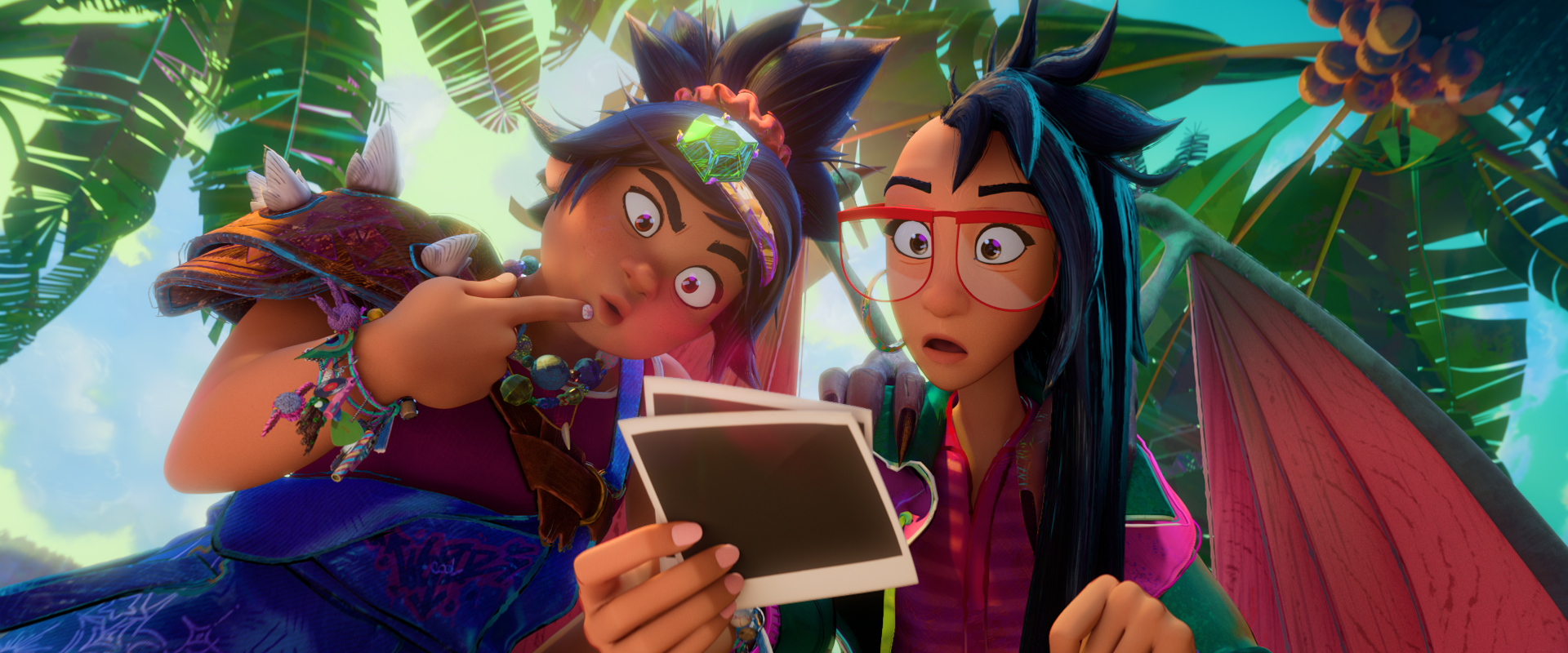
When the photos know more than you do.
Visually, Forgotten Island is just as restless. Crawford and Mercado continue the stylized approach that made Puss in Boots: The Last Wish so striking, but push it in a different direction. The main presentation uses textured CG animation, while memories can suddenly shift into hand-drawn 2D sequences whose style changes depending on who is doing the remembering. Those passages draw heavily from the anime that influenced the directors during the 1990s. The character of Raww (Dave Franco), a well-meaning were-dog who joins Jo and Raissa on their journey, remembers events with the exaggerated intensity of Dragon Ball Z, while the vain, fantasy-prone Prince Mermahn (Kevin McCann) gets sequences inspired by Sailor Moon. Manga-like framing, graphic impact text and deliberately exaggerated movement sit alongside the CG work, making each recollection feel less like an objective recording and more like a version of events being reshaped by whoever happens to be remembering it.
The animation looks terrific, although the visual ambition occasionally becomes visual assault. Nakali is packed with color, creatures, gags, background detail and sudden stylistic detours, and there are stretches where everything seems determined to move at once. That energy is often infectious, particularly during the action and memory sequences, but it can also leave the quieter emotional material fighting for oxygen. At its best, the constant transformation feels perfectly matched to a story about unreliable memories. At its busiest, it feels like somebody has emptied a couple of toy boxes, two mythology books and an anime collection onto the screen and yelled, “Go.”
The emotional backbone remains Jo and Raissa, and this is where Forgotten Island proves considerably more substantial than its manic comedy initially suggests. Their conflict is not simply about one friend moving away; it is about how differently they understand what that move represents. Raissa sees opportunity, responsibility and the next stage of her life, while Jo feels the ground shifting beneath a friendship she assumed would always remain unchanged. Setting the story in the 1990s gives that fear extra weight. Before FaceTime, constant messaging and social media made distance easier to bridge, leaving could feel genuinely final. Crawford and Mercado use the fantasy mechanics smartly here, turning the fear of drifting apart into something literal as memory itself begins to slip away. It gives all the chaos a surprisingly poignant center.
The soundtrack reinforces that emotional thread without overplaying it. INXS’ “Never Tear Us Apart” is a solid choice for two friends desperately trying to hold onto each other, but it works because of how carefully it is used. The original recording is tied to their younger years, while Sophia Laforteza’s reinterpretation accompanies a later stage of their relationship, allowing the same song to take on a slightly different emotional meaning as they change. Rather than functioning as another nostalgic needle-drop, it becomes a neat musical shorthand for the promise Jo and Raissa once believed was unbreakable — and for the uncomfortable reality that growing up does not always honor those promises.
For all that color and comedy, this is not really aimed at very young children. The manananggal material can be genuinely creepy, the mythology has sharper teeth than the usual cuddly fantasy adventure, and the later emotional material deals with grief, separation, identity and the fear of forgetting people who matter. Teenagers and older children are more likely to get the most from it, particularly because much of the story is about standing at the edge of adulthood and realizing that relationships cannot remain frozen exactly as they were.
The voice cast helps keep that noise personable. H.E.R. brings an impulsive warmth to Jo, while Soberano gives Raissa enough anxiety and emotional restraint to keep their friendship from becoming a simple opposites-attract routine. Their chemistry is essential, and both handle the heavier material without making the sentiment feel manufactured. Dave Franco is well suited to Raww’s anxious, eager-to-please energy, while Salonga gives Manang the authority needed to make the central threat feel genuinely formidable. De Leon lends Lola Fatima an immediate warmth, whilst Manny Jacinto, Jenny Slate, Jo Koy and Ronny Chieng add distinct comic textures to their array of peculiar characters. It is a solid ensemble from top to bottom. Nobody sounds as though they wandered into the recording booth for an afternoon and collected a cheque.
Forgotten Island is zany, loud, occasionally overstuffed and probably ten minutes longer than it needs to be, with the final stretch dragging slightly before finding its emotional payoff. Still, there is something refreshing about an original DreamWorks adventure being allowed to possess this much personality. Crawford and Mercado use Filipino folklore not as an exotic backdrop but as the foundation for a story about friendship, migration, memory and the frightening inevitability of change. The result can lose itself among the creatures and sensory overload, yet it always remembers what matters. For a film called Forgotten Island, it is awfully determined to stick in the memory. While younger passengers might want to sit this particular island getaway out, Jo and Raissa give the madness a heart worth holding onto. Nakali may be built around forgetting, but DreamWorks has created something considerably harder to shake.
3.5 / 5 – Great
Reviewed by Dan Cachia (Mr. Movie)
Forgotten Island is distributed by Universal Pictures Australia