By
By 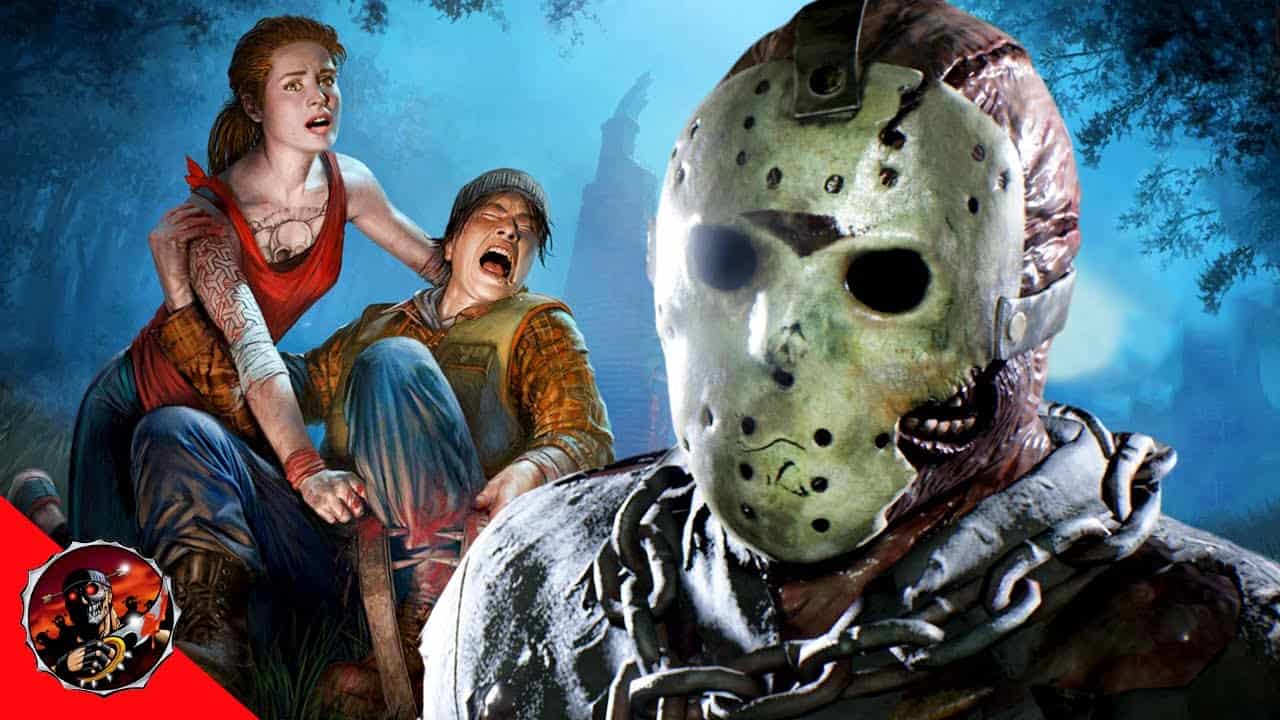
A new lawsuit filed by Horror, Inc. against Gun Interactive has put the financial and legal history of Friday the 13th: The Game back in the spotlight, with Horror, Inc. alleging that Gun failed to pay millions of dollars in royalties. Gun Interactive has strongly denied the allegations and says it intends to fight the lawsuit.
According to the lawsuit, the dispute centers on royalty payments connected to the 2017 video game, which was developed by Gun Interactive and IllFonic under a licensing agreement involving Friday the 13th rights holders. Horror, Inc. alleges that Gun owes approximately $4 million to $4.5 million in additional royalties. Gun, however, says it paid more than $18 million in royalties over the life of the game and that its records show the rights holders were paid everything they were owed.
What Horror, Inc. Alleges in the Lawsuit
The dispute stems from a 2015 agreement under which Horror, Inc. and Crystal Lake Entertainment licensed elements of the Friday the 13th franchise to Gun for the development and distribution of Friday the 13th: The Game. Under the agreement described in the lawsuit, Gun was responsible for collecting revenue from third-party distributors and providing royalty statements to the rights holders. The agreement initially called for a 5% royalty and later increased the royalty rate to 17.5% of applicable net proceeds.
The lawsuit alleges that distributors including Sony, Microsoft, Nintendo, and Steam provided sales and distribution information to Gun, which Gun was then supposed to use when preparing its royalty statements. Horror, Inc. says the game generated more than $175 million through the end of 2024.
The rights holder subsequently exercised its contractual right to audit Gun’s records. According to the lawsuit, the audit uncovered what Horror, Inc. characterizes as significant gaps in the sales information provided by distributors. The filing specifically points to missing records involving Sony, which Horror, Inc. describes as the game’s largest distributor.
According to the lawsuit, the auditors expected Gun to possess documentation connected to Sony’s sales, including purchase orders and invoices. Horror, Inc. alleges that these records were no longer available and argues that Gun must have either lost or destroyed them. The lawsuit further alleges that the missing documentation interfered with the audit and resulted in an underpayment of royalties.
Those allegations have not been established as facts by a court.
Gun Interactive Denies the Royalty Allegations
Gun Interactive responded to the lawsuit on August 28 with a strongly worded statement disputing Horror, Inc.’s allegations. Gun says the central accusation is that it failed to pay all of the royalties owed under the agreement. The company denies that claim.
According to Gun, it paid Horror, Inc. more than $18 million in royalties throughout the game’s lifespan and maintains that its records show the company was paid every dollar it was owed. Gun also claims that representatives for Horror, Inc. reviewed and approved the accountings provided by Gun during the game’s operation.
The company characterizes the approximately $4 million currently being sought as the result of disputed accounting methodologies rather than unpaid royalties that Gun acknowledges owing. Gun has therefore rejected Horror, Inc.’s demand and says it will contest the lawsuit.
The Lawsuit Also Revisits the Friday the 13th Copyright Dispute
Gun’s statement also brings the lawsuit back to the separate legal battle involving Victor Miller, the screenwriter of the original Friday the 13th film. Miller sought to terminate his copyright interest in material from the original screenplay under U.S. copyright law. His legal dispute with Horror, Inc. ultimately resulted in a ruling in his favor in 2018, followed by an unsuccessful appeal by Horror, Inc. in 2021.
Gun says the rights dispute affected Friday the 13th: The Game because the legal uncertainty prevented the development of additional content for the game. In its statement, Gun argues that Miller did not intend to shut down the game and instead sought credit and compensation for his work.
Gun Says It Wanted to Remaster Friday the 13th: The Game
One of the more significant claims in Gun’s response concerns an attempted remaster of Friday the 13th: The Game. Gun says that even after the 2021 appeal in the Miller copyright dispute, it wanted to work with Horror, Inc. on a remastered version of the game. According to Gun, the company wanted to give the game “a real second life” through a remaster. Gun’s statement claims that this proposed partnership did not happen and that Horror, Inc. subsequently allowed the game’s license to lapse.
As a result, according to Gun, Friday the 13th: The Game was removed from digital storefronts and its servers eventually went offline. Gun also claims that it offered to continue paying for the game’s servers in an effort to keep them operational. These statements are part of Gun Interactive’s response to the lawsuit and represent the company’s account of the events.
What Happens Next in the Friday the 13th Lawsuit?
The issue now is whether Horror, Inc. can establish that Gun Interactive failed to pay the royalties required under their agreement and whether Gun can substantiate its position that all required royalties were already paid. The parties also appear to disagree over the accounting records used to determine the amount of royalties owed, including the significance of records allegedly missing from Gun’s files.
Horror, Inc. is seeking additional money that Gun disputes owing, while Gun has said it intends to fight the lawsuit rather than make an additional payment. At this stage, the allegations contained in the lawsuit are claims by Horror, Inc., while Gun Interactive’s published statement represents its defense and position regarding the dispute. The court proceedings will determine which claims, if any, are supported.
What do you think of Horror, Inc. and Gun Interactive going to court over Friday the 13th: The Game royalties, and Gun’s claim that they wanted to remaster and revive the game, but Horror, Inc. passed on the opportunity? Let us know by leaving a comment below.
The post Horror Inc. sues Gun Interactive over Friday the 13th: The Game royalties appeared first on JoBlo.