By
By 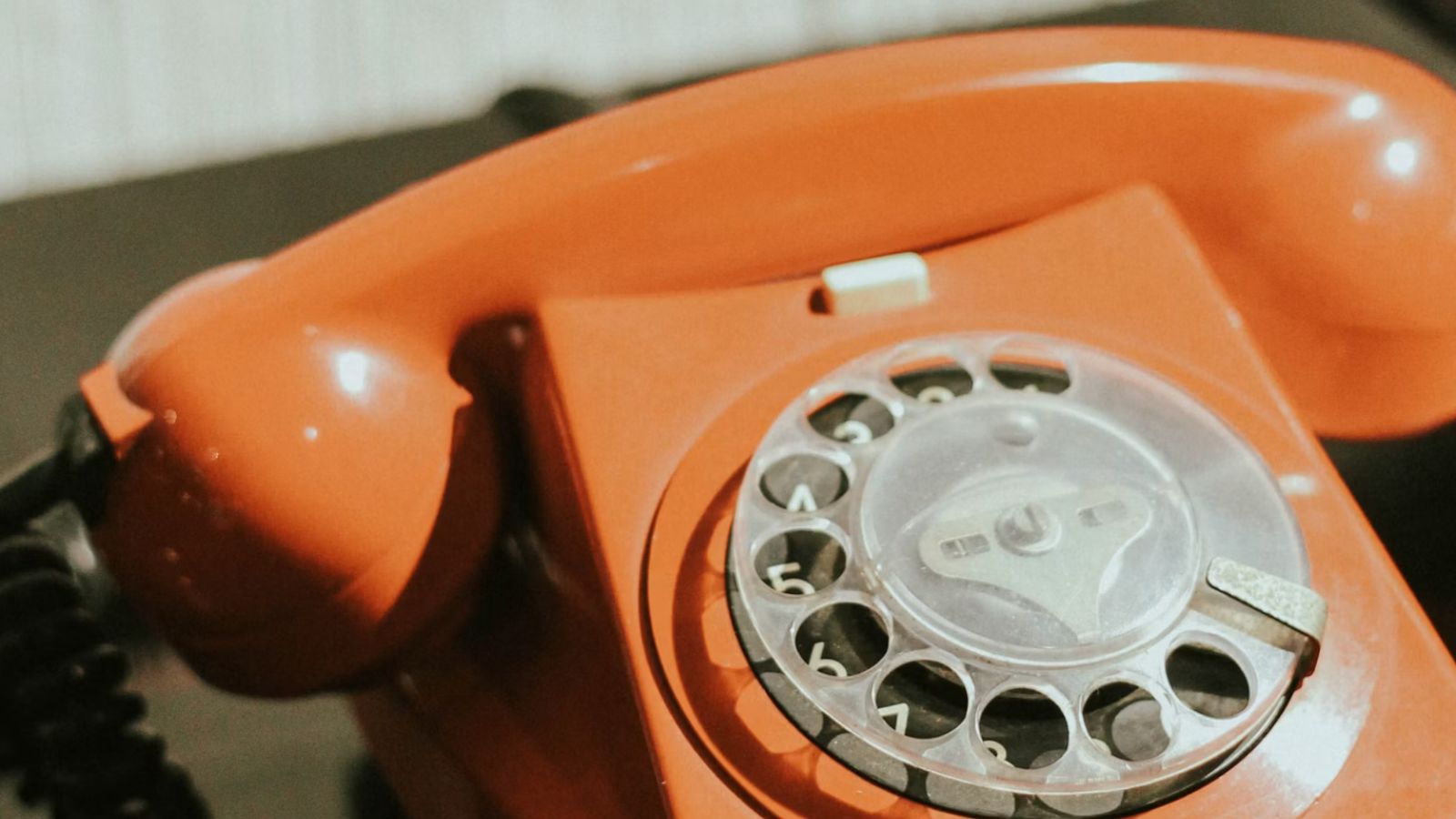
Not everything that vanishes gets a proper goodbye. Plenty of things that once felt completely ordinary simply became less common year after year, until suddenly it was strange to see someone using them at all. Technology explains some of it, but changing habits, new laws, and different ways of shopping, traveling, and communicating played a part too. Nobody held a farewell ceremony for the phone book or mourned the last handwritten set of driving directions. We just found easier alternatives and moved on, often without noticing what we had stopped doing. Looking back, some of these routines now feel surprisingly distant. Here are 15 things that quietly disappeared from everyday life.
©Unsplash
Phone books
For decades, enormous directories containing local phone numbers arrived regularly at homes and businesses. Search engines and online directories made those bulky books increasingly unnecessary.
©Unsplash
Writing down directions before leaving
Getting somewhere unfamiliar once meant copying turn-by-turn instructions onto paper or printing them from a computer. GPS navigation turned that little pre-trip ritual into something most drivers rarely need.
©Unsplash
Classified ads in newspapers
Newspaper classifieds were once a go-to place for finding jobs, apartments, used cars, and just about anything someone wanted to sell. Online marketplaces and specialized websites gradually took over most of that role.
©Unsplash
Having a designated family phone
Calling someone often meant calling their entire household and hoping the right person answered. As individual cellphones became standard, the idea of one shared number belonging to everyone in the house largely faded away.
©Unsplash
Paper tickets for everyday events
Movie tickets, boarding passes, concert stubs, and other little pieces of paper routinely filled wallets and pockets. QR codes and digital wallets have made physical tickets far less common in everyday situations.
©Unsplash
Waiting to see how your photos turned out
Taking pictures on film required a certain amount of faith because there was no screen to check afterward. You might wait days for the roll to be developed before discovering blurry shots, closed eyes, or a finger over the lens.
©Unsplash
Signing credit card receipts
For years, paying by card routinely ended with a pen and a signature on a tiny paper receipt. Chip cards, contactless payments, and changing verification systems have made that step increasingly uncommon.
©Unsplash
Calling a movie theater for showtimes
Before checking movie times took seconds online, theaters often had recorded phone lines that listed the day’s screenings. Sitting through the message until it reached the movie you wanted was simply part of making plans.
©Unsplash
Keeping an encyclopedia set at home
A multi-volume encyclopedia once gave families an impressive amount of information without leaving the living room. Online reference sources made those shelf-filling collections much harder to justify.
©Unsplash
Paying bills in person
Monthly bills once regularly involved a trip to a bank, post office, or payment center and some time spent waiting in line. Online payments and automatic billing turned much of that errand into a few taps or no action at all.
©Unsplash
Newspaper vending boxes
Coin-operated newspaper boxes were once an ordinary sight on sidewalks, outside stores, and near transit stops. As print circulation declined and news moved online, many quietly vanished from the streets.
©Unsplash
Handwritten shopping lists
A scrap of paper stuck to the refrigerator was once the standard way to remember what the kitchen needed. Plenty of people still use one, but phone notes, shopping apps, and online grocery orders have made the habit much less universal.
©Unsplash
Ashtrays everywhere
Ashtrays used to appear in restaurants, offices, hotel rooms, cars, and countless other public and private spaces. Smoking restrictions and declining smoking rates made an object that once seemed unavoidable increasingly unusual.
©Unsplash
Having a dedicated junk drawer for takeout menus
Restaurants used to distribute paper menus that accumulated in kitchen drawers, often covered in handwritten notes and outdated prices. Ordering apps and restaurant websites quietly made those stacks much less useful.
©Unsplash
Checking newspaper TV listings
Planning an evening of television once meant consulting the newspaper to find out what was airing and when. On-screen guides, streaming services, and on-demand viewing gradually made that daily scan unnecessary.
The post 15 Things That Quietly Disappeared From Everyday Life appeared first on Den of Geek.