By
By 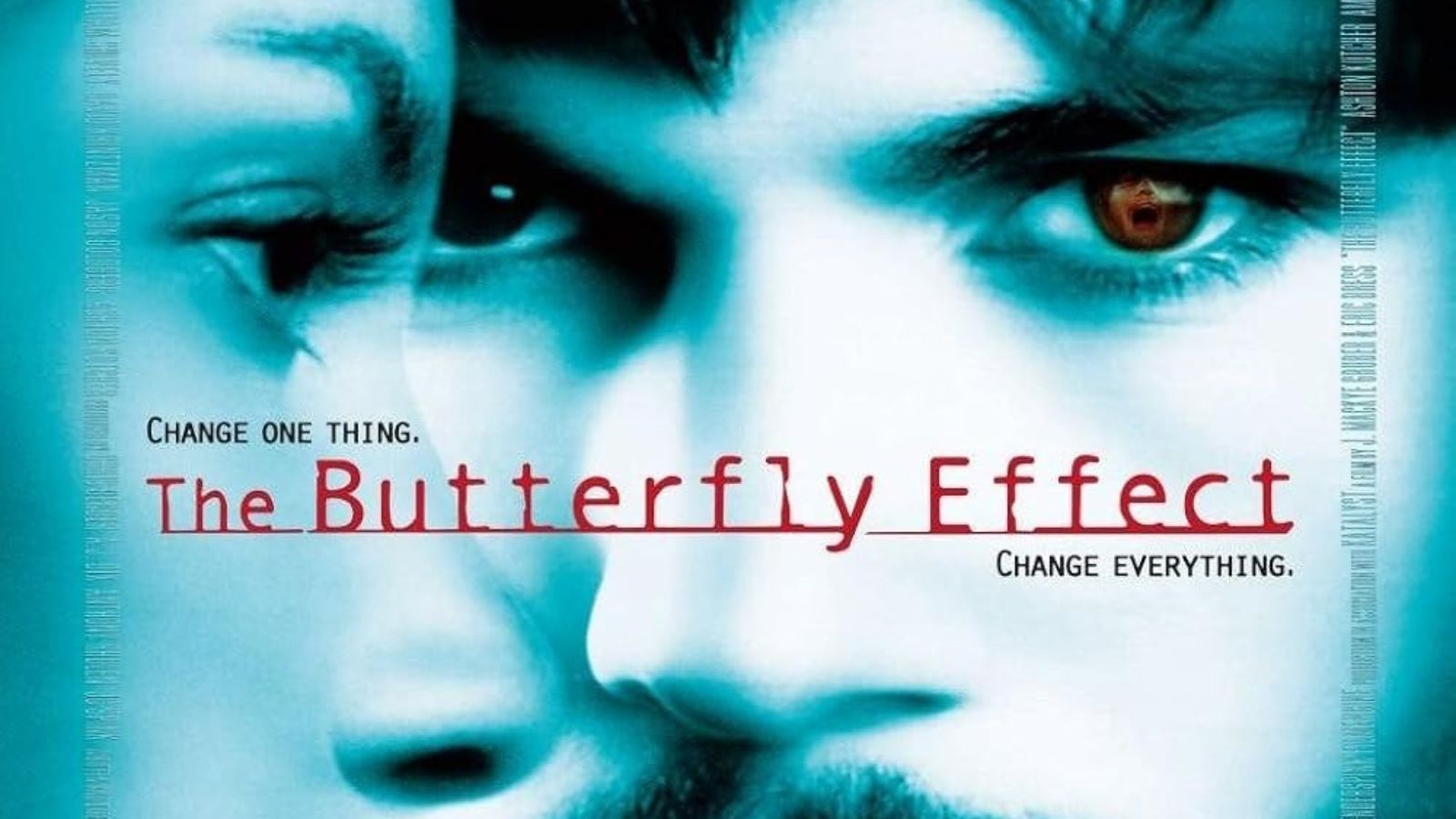
A movie can change dramatically before audiences ever get the chance to see it. Scenes are rewritten, reshot, shortened or removed entirely, sometimes because a studio wants something different and sometimes because filmmakers discover that an idea simply does not work. Some of the biggest changes happen to moments that seem completely essential once we see the finished movie. Characters can survive when they were supposed to die, endings can take an entirely different direction, and entire sequences can disappear without leaving much evidence behind. The final cut may feel inevitable, but these behind the scenes changes reveal just how different some beloved movies could have been.
IMDb
I Am Legend (2007) — Neville Was Supposed to Become the Monster
The theatrical ending has Neville sacrificing himself so Anna and Ethan can escape, but the alternate ending reveals that the infected creatures have a much more complicated relationship with him. They come for their captured companion, forcing Neville to realize that they are not simply mindless monsters.
IMDb
Pretty Woman (1990) — Vivian Was Originally Supposed to Leave
The original script was considerably darker, with Vivian’s relationship with Edward ending in a much less romantic way. The studio eventually pushed the story toward the fairy tale audiences know, completely changing the tone of the final film.
IMDb
First Blood (1982) — Rambo Was Supposed to Die
The original ending had Rambo dying at the hands of Colonel Trautman, bringing the story to a tragic conclusion. Sylvester Stallone and the filmmakers ultimately chose to keep him alive, allowing the character to become the center of a major franchise.
IMDb
Terminator 2: Judgment Day (1991) — The Future Was Almost Much More Explicit
The finished movie keeps the future relatively mysterious, but earlier versions included additional material explaining John’s importance and showing more of the coming war. Some of these scenes were filmed and later removed to keep the story focused on the present.
IMDb
Titanic (1997) — The Ending Was Much More Dramatic
The theatrical ending gives Rose a quiet final moment after revealing the fate of the Heart of the Ocean. Earlier versions of the finale involved Brock and his team confronting Rose on the ship and included considerably more dialogue before she finally dropped the necklace into the ocean.
IMDb
The Lord of the Rings: The Return of the King (2003) — Saruman’s Fate Was Cut
Christopher Lee’s Saruman was originally supposed to have a much more prominent final confrontation after the destruction of Isengard. The sequence was removed from the theatrical cut, leaving audiences without a proper conclusion to one of the trilogy’s major villains.
IMDb
Back to the Future (1985) — The Clock Tower Scene Nearly Played Differently
The iconic lightning strike sequence went through several versions during development, including different ideas about how Marty would return to 1985. The final setup became one of the most recognizable scenes in the entire trilogy.
IMDb
Alien (1979) — Dallas Was Almost Part of a Much Stranger Scene
Ridley Scott filmed an unsettling sequence in which the alien transformed Dallas after his death and placed him inside the ship’s cocooning process. The scene was ultimately removed, leaving the fate of Dallas considerably more mysterious in the finished movie.
IMDb
The Butterfly Effect (2004) — Evan Almost Chose a Much Darker Ending
The theatrical ending has Evan deliberately avoiding Kayleigh so she can have a better life. An alternate ending is considerably darker, with Evan making a choice that suggests he would rather eliminate his own existence entirely.
IMDb
Clerks (1994) — Dante Was Originally Going to Be Killed
Kevin Smith’s original ending was shockingly bleak, with Dante being shot during a robbery at the convenience store. The ending was changed after criticism from friends and filmmakers, giving the movie the more open ended conclusion audiences know.
IMDb
Blade Runner (1982) — Deckard’s Ending Was Completely Reworked
The theatrical version famously includes Deckard and Rachael leaving together after discovering the mysterious unicorn connection. Different cuts and earlier versions handled the material differently, while additional footage and narration dramatically shaped how audiences understood the ending.
IMDb
Jurassic Park (1993) — The T. Rex Wasn’t Always Going to Save Everyone
The climax went through several versions during production before Spielberg settled on the T. rex unexpectedly attacking the raptors. The final moment became one of the movie’s most famous scenes and completely changed the way the heroes escaped the visitor center.
IMDb
The Shining (1980) — The Opening Was Originally Longer
Stanley Kubrick shot additional material that gave the beginning of the movie more context surrounding Jack’s new job at the Overlook Hotel. The final version became much leaner, allowing the ominous setting to speak for itself.
IMDb
E.T. the Extra Terrestrial (1982) — The Police Almost Had Guns
The famous government and police confrontation near the end originally involved authorities carrying firearms while trying to contain the children and E.T. Steven Spielberg later replaced the guns with walkie talkies in the finished version, significantly changing the emotional tone of the sequence.
IMDb
World War Z (2013) — The Entire Third Act Was Rewritten
The movie originally ended with a massive action sequence in Russia that had been extensively filmed before the filmmakers decided the ending was not working. The third act was largely rebuilt around the laboratory storyline, making the finished movie dramatically different from what had originally been shot.
The post 15 Movie Scenes That Were Almost Completely Different in the Final Cut appeared first on Den of Geek.