By
By 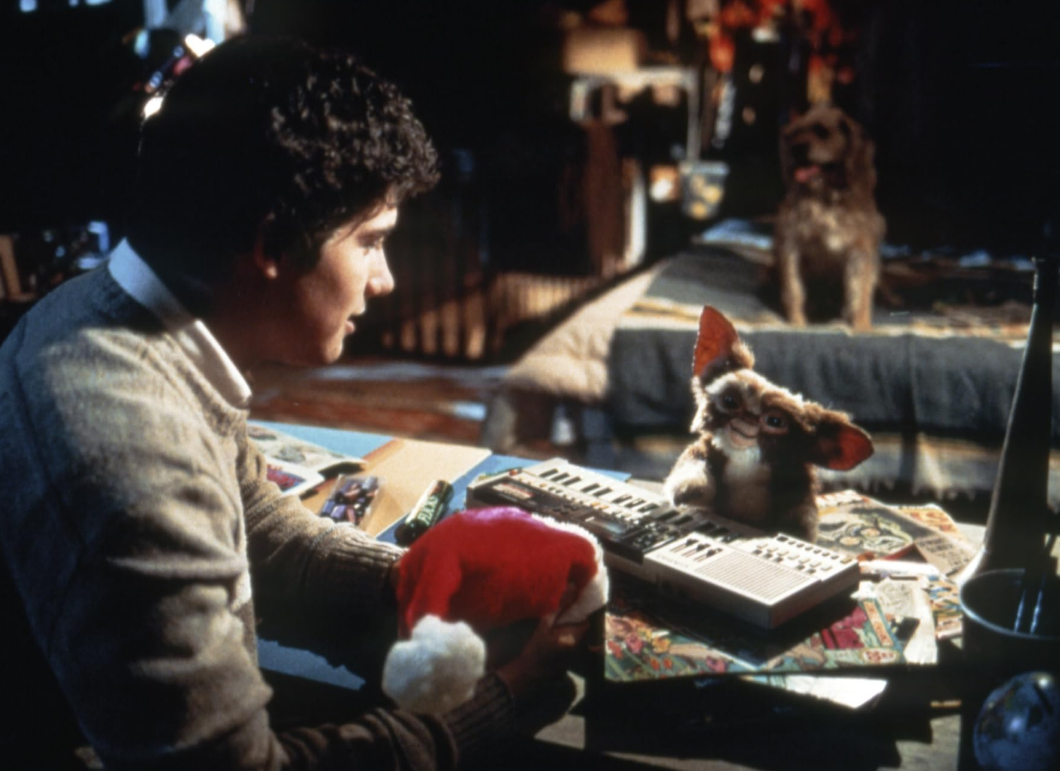
We might be living in an era of overreliance on green screens, and they have their uses. They allow productions to transport their actors to unthinkable places, all without going beyond their allocated budgets. There was a time, though, when that wasn’t possible, and actual sets being constructed wasn’t a choice, but the only move forward.
This is why we’ve gathered the most impressive sets of the 80s, a time that combined technology, expertise and ingenuity to create some impressive masterpieces. They’re from films where the physical environments deserve almost as much attention as the actors, because the sets themselves helped make these movies unforgettable.
IMDb
Back to the Future
Hill Valley may be cinema’s ultimate transforming set. Universal’s Courthouse Square became 1955 and 1985, then alternate 1985 and 2015, while Part III added an entirely new 1885 version, making one location serve radically different eras.
IMDb
Blade Runner
Blade Runner transformed Los Angeles’s 1982 soundstages into a dense, rain-soaked future city. Production designer Lawrence G. Paull’s enormous sets combined towering buildings, neon signs, crowded streets, and industrial detail, creating a dystopian metropolis that still defines cinematic science fiction.
IMDb
The Empire Strikes Back
The Empire Strikes Back expanded Star Wars’ physical universe with enormous sets including Cloud City, the Rebel base on Hoth, and Darth Vader’s star destroyer interiors. The production combined full-scale environments, miniatures, and elaborate soundstage construction.
IMDb
Raiders of the Lost Ark
Raiders of the Lost Ark featured enormous practical environments, including the Well of Souls, the Peruvian temple, and the Nepalese bar. The Well of Souls was especially elaborate, filled with monumental Egyptian-inspired architecture and thousands of real snakes.
IMDb
The Shining
Stanley Kubrick’s production constructed extensive interiors for the Overlook Hotel at England’s Elstree Studios, including the lobby, Gold Room, Colorado Lounge, and enormous hedge maze. The resulting environment gave the film an unusually tangible, disorienting sense of space.
IMDb
The Abyss
The Abyss required an extraordinary underwater environment, with production building a massive water tank at the Cherokee Nuclear Power Plant in South Carolina. The abandoned facility’s cooling tanks provided an enormous practical setting for the film’s underwater sequences.
IMDb
Batman
Batman gave Gotham City a monumental physical presence through enormous sets designed by Anton Furst. Gotham’s towering architecture, cathedral, streets, and the Axis Chemical plant created a grotesque comic-book city that won the Academy Award for Best Art Direction.
IMDb
Beetlejuice
Beetlejuice turned an ordinary New England setting into a surreal miniature nightmare. Production designer Bo Welch constructed exaggerated interiors, the Maitlands’ model town, and the bizarre waiting-room environments, giving Tim Burton’s afterlife an unmistakably handcrafted appearance.
IMDb
The Adventures of Baron Munchausen
Terry Gilliam’s fantastical epic required enormous, elaborate sets including a giant moon, a Turkish palace, an underwater world, and extravagant theatrical interiors. Its deliberately artificial appearance was part of the charm, making the sets feel like gigantic storybook illustrations.
IMDb
Labyrinth
Jim Henson’s Labyrinth combined elaborate practical sets with puppetry and forced perspective to create an enormous fantasy world. The labyrinth itself included extensive maze-like environments, while the Goblin King’s castle and surrounding landscapes were built to accommodate the performers and creatures.
IMDb
The NeverEnding Story
The NeverEnding Story created much of Fantasia through enormous practical sets, animatronic creatures, miniature work, and elaborate environments. The Rockbiter, Falkor, and the Swamps of Sadness all depended heavily on physical construction rather than computer-generated imagery.
IMDb
Aliens
Aliens built an enormous industrial colony environment at England’s Pinewood Studios. Hadley’s Hope included interconnected corridors, rooms, machinery, vehicles, and industrial infrastructure, giving James Cameron’s film a lived-in colony that feels substantially larger than the sets actually were.
IMDb
The Thing
The Thing used extensive practical sets at Universal Studios and in Alaska to create the isolated Norwegian and American research stations. The production also constructed the crashed spacecraft, underground tunnel system, and other environments needed for its claustrophobic Antarctic nightmare.
IMDb
Gremlins
Gremlins transformed California locations and studio sets into Kingston Falls, combining existing streets with specially constructed storefronts and interiors. The production’s miniature work and practical creature effects then allowed the town to become increasingly chaotic as the Gremlins multiplied.
IMDb
The Goonies
The Goonies’ most memorable environments were built around Oregon locations and Warner Bros. stages, culminating in the enormous pirate ship set. The production constructed a full-size vessel called the Inferno, giving the climactic discovery a genuinely spectacular physical centerpiece.
The post 15 of the Best Ever 1980s Movie Sets appeared first on Den of Geek.