By
By 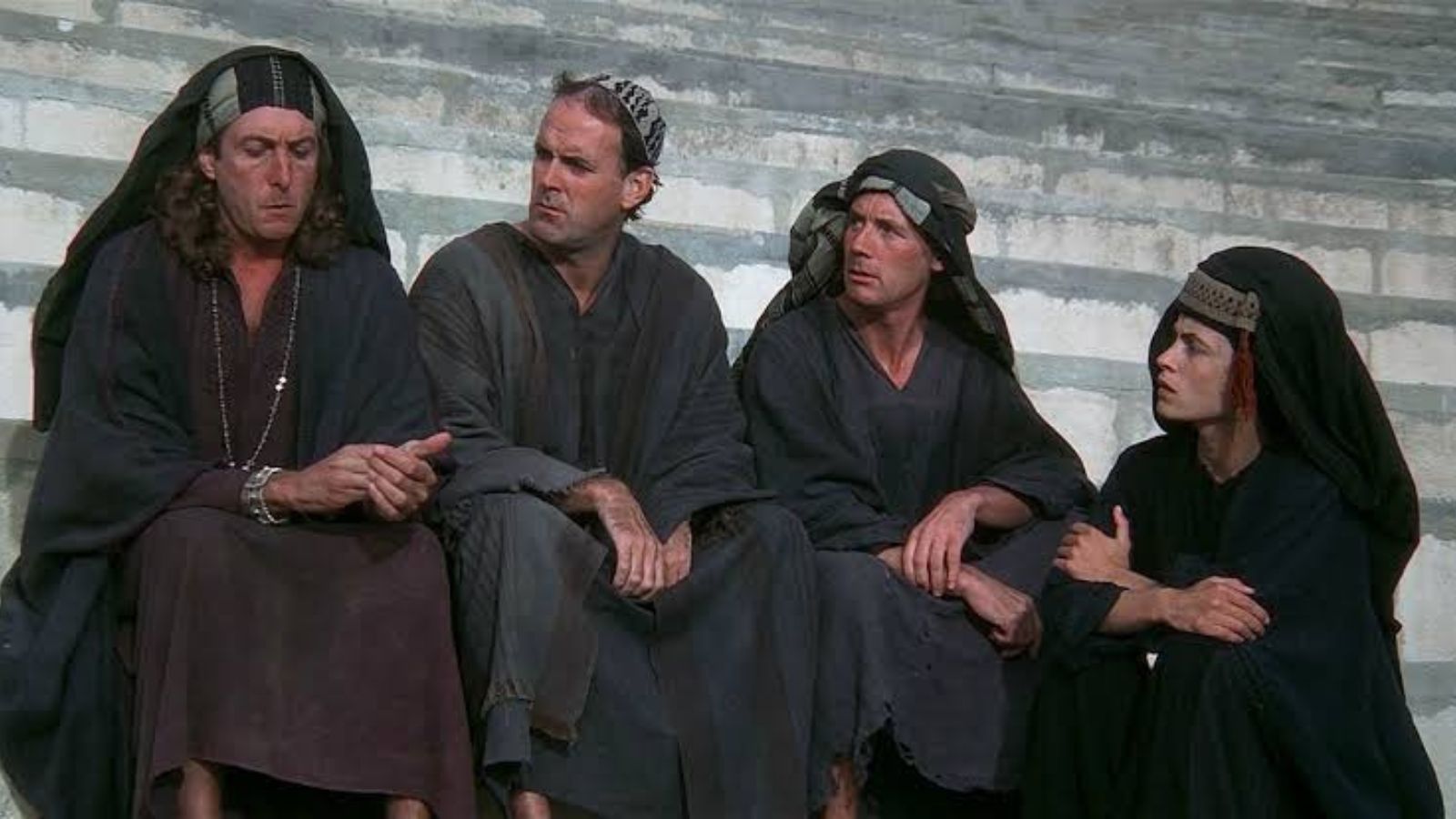
Making a movie is already a complicated balancing act, but things get considerably harder when the money suddenly starts disappearing. Productions can lose financing, studios can cut costs, investors can pull out, or directors can be forced to rethink scenes that were supposed to be much bigger. Some movies responded by scaling back, getting creative, or simply finding ways to make the original idea work with whatever was left. Incredibly, a smaller budget does not always mean a smaller movie. These fifteen films all faced serious financial limitations during production, yet their filmmakers managed to keep going and deliver something audiences still remember.
IMDb
Deadpool (2016)
Fox cut $7 million from the movie’s original $65 million budget just two days before production was approved, forcing the filmmakers to remove characters, scenes, and expensive action sequences, including a much larger final gunfight.
IMDb
Monty Python and the Holy Grail (1975)
The production ran out of money before the planned final battle could be filmed, so the filmmakers simply had the police arrive and shut down the action, turning a financial disaster into one of the movie’s funniest jokes.
IMDb
Night of the Living Dead (1968)
George Romero had only around $114,000 to work with, so the production relied on abandoned locations, inexpensive props, unknown actors, and practical tricks that ultimately became part of the movie’s distinctive look.
IMDb
Mad Max (1979)
With only about $200,000 available, George Miller had to make every action sequence count, using real cars, dangerous stunts, and practical destruction to create a movie that looked far more expensive than it was.
IMDb
Rocky (1976)
The movie was made with a modest budget, forcing the production to shoot quickly and make use of real Philadelphia locations, including filming scenes without extensive control over the surrounding crowds and environment.
IMDb
Clerks (1994)
Kevin Smith financed the movie through an assortment of personal resources and credit cards, shot it in black and white because color film was too expensive, and turned the limitations into part of its unmistakable style.
IMDb
The Blair Witch Project (1999)
The filmmakers had virtually no money for conventional horror production, so they leaned heavily on handheld footage, natural locations, unknown actors, and an intentionally stripped down approach that became the movie’s greatest strength.
IMDb
Primer (2004)
Shane Carruth made the entire film for roughly $7,000, handling multiple jobs himself and using ordinary locations, limited equipment, and a tiny cast to create one of the most famously complex science fiction films made on almost no money.
IMDb
Monty Python’s Life of Brian (1979)
When financing became complicated, the Python team received help from George Harrison, who famously backed the production after the original financing fell apart, allowing the movie to continue when it might otherwise have disappeared.
IMDb
Highlander (1986)
The production had a constrained budget and a series of logistical problems, including disappearing extras and costly delays, yet the filmmakers still managed to create the elaborate fantasy world that became one of the movie’s defining features.
IMDb
Get Out (2017)
Jordan Peele’s debut was made for only about $4.5 million, meaning the filmmakers had to create a horror movie built around atmosphere, performances, and carefully controlled locations rather than expensive spectacle.
IMDb
The Castle (1997)
This Australian comedy was produced for around $650,000 and completed in only five weeks, with a small team finding creative ways to make an intentionally modest production feel much bigger than its resources suggested.
IMDb
Following (1998)
Christopher Nolan made his debut on an extremely limited budget, shooting mainly on weekends over roughly a year and rehearsing scenes extensively so that precious 16mm film would not be wasted on unnecessary takes.
IMDb
Superman IV: The Quest for Peace (1987)
The fourth Superman movie famously suffered severe financial restrictions during production, with its planned scale dramatically reduced and major sequences and effects noticeably affected by the shrinking resources. The result became infamous rather than triumphant, but the production did manage to make it to theaters despite the cuts.
The post 14 Movies Who Had Their Budget Slashed, But Carried On Anyway appeared first on Den of Geek.