By
By 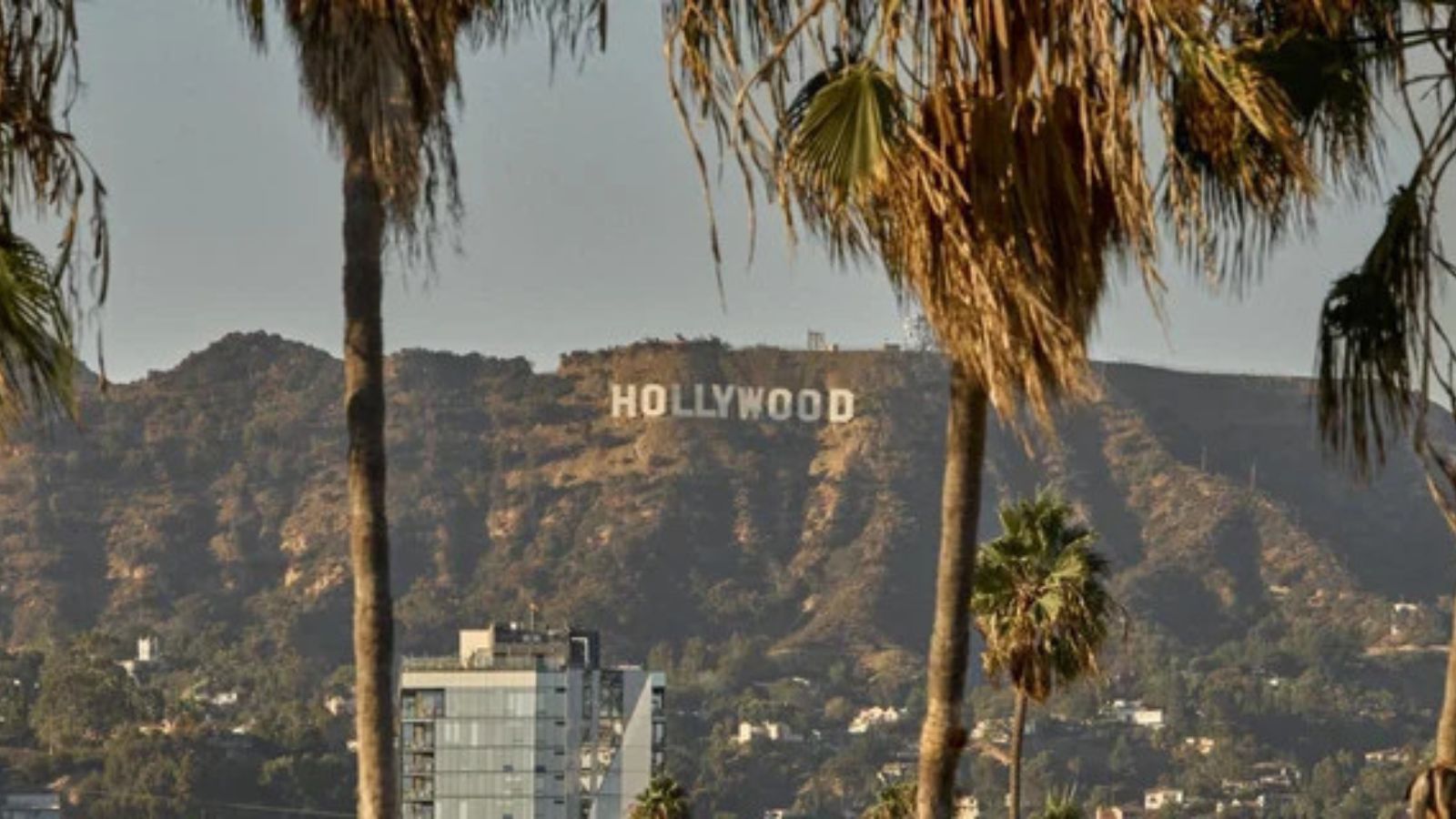
Hollywood has spent decades building an image of glamour, success, and larger than life entertainment, but the industry’s history contains plenty of stories that are much harder to celebrate. Studios once had extraordinary control over performers, dangerous practices were treated as normal, and scandals were often buried rather than confronted. Some of these chapters eventually led to major changes in the way movies and television were made, while others remained hidden for years before coming to light. Looking behind the famous names and iconic films reveals an industry that was often far less glamorous than the finished product suggested.
Giant Franklin Robot
Studios Controlled Actors’ Personal Lives
During Hollywood’s studio era, major studios could exercise remarkable control over their stars. Long contracts affected what movies actors could make, while publicity departments carefully managed their public images, relationships, appearances, and even personal scandals.
NEPM
Judy Garland Was Put on a Dangerous Drug Regimen
MGM placed Judy Garland under intense pressure to maintain her weight and work demanding schedules. Studio doctors supplied stimulants to keep her working and sedatives to help her sleep, contributing to serious substance dependence during her youth.
ScreenRant
The Hollywood Blacklist Destroyed Careers
The Red Scare led studios to deny employment to people accused of communist sympathies or associations. Writers, actors, directors, and other entertainment professionals could suddenly find themselves unable to work because of their political beliefs or alleged affiliations.
The Conversation
Child Labor Was a Serious Problem
Young performers often worked extremely demanding schedules at a time when protections were far weaker than they are today. The experiences of several former child stars revealed how studios and adults around them could prioritize successful productions over the wellbeing of children.
BBC
The Casting Couch Was a Real Industry Problem
For decades, aspiring actors faced the possibility of being pressured into sexual situations by powerful industry figures. The phrase “casting couch” became synonymous with an abuse of professional power that has existed in Hollywood for generations.
AugustMan Singapore
Dangerous Stunts Were Treated as Part of the Job
Early filmmakers sometimes expected actors and stunt performers to work with explosions, vehicles, animals, fires, and other dangerous elements without today’s safety standards. Serious injuries and deaths occurred on productions where risk was treated as an acceptable part of filmmaking.
The New York Times
The Twilight Zone Movie Tragedy
During the 1982 production of Twilight Zone: The Movie, actor Vic Morrow and two child actors were killed during a helicopter sequence. The tragedy led to criminal charges and major changes in how productions handled children and dangerous effects.
Hollywood Studios Used Contract Suspension as Punishment
Actors who refused roles assigned by their studios could be suspended without pay. Because performers were often tied to exclusive long term contracts, refusing an unwanted project could have serious financial consequences.
The New Yorker
The Production of Heaven’s Gate Nearly Destroyed a Studio
Michael Cimino’s Heaven’s Gate became infamous for its enormous budget, repeated delays, and production demands. Its financial failure became so damaging that it contributed to the collapse of United Artists as an independent major studio.
Deadline
Fatty Arbuckle’s Scandal Changed Hollywood
Roscoe “Fatty” Arbuckle was accused of causing the death of actress Virginia Rappe following a 1921 party. He was eventually acquitted after three trials, but the scandal destroyed his career and became one of the earliest major Hollywood scandals to dominate national headlines.
Deadline
Studios Could Blacklist Performers for Personal Reasons
Actors and other performers could find themselves pushed out of work because of personal conflicts with powerful executives or because they became difficult for studios to manage. The enormous imbalance of power made it difficult for performers to challenge decisions that could effectively end their careers.
WatchMojo
Hollywood Once Covered Up Serious Problems
Studios had enormous incentives to protect their stars and their reputations. Public relations departments could suppress damaging stories, arrange carefully controlled interviews, and work behind the scenes to prevent scandals from reaching newspapers and audiences.
The Industry Was Built Around Extreme Working Hours
Long shooting days and exhausting production schedules were common throughout much of Hollywood history. Actors and crew members could spend enormous amounts of time working under intense pressure because finishing a production often mattered more than maintaining reasonable working conditions.
MiscelAna
Hollywood Profited From Controversy While Controlling the Narrative
Scandal has always attracted audiences, but studios historically tried to decide which parts of those scandals the public was allowed to see. The entertainment industry became exceptionally skilled at turning celebrity lives into publicity while keeping the less flattering details behind closed doors.
The post 15 Facts Hollywood Would Love to Leave in its Past appeared first on Den of Geek.