By
By 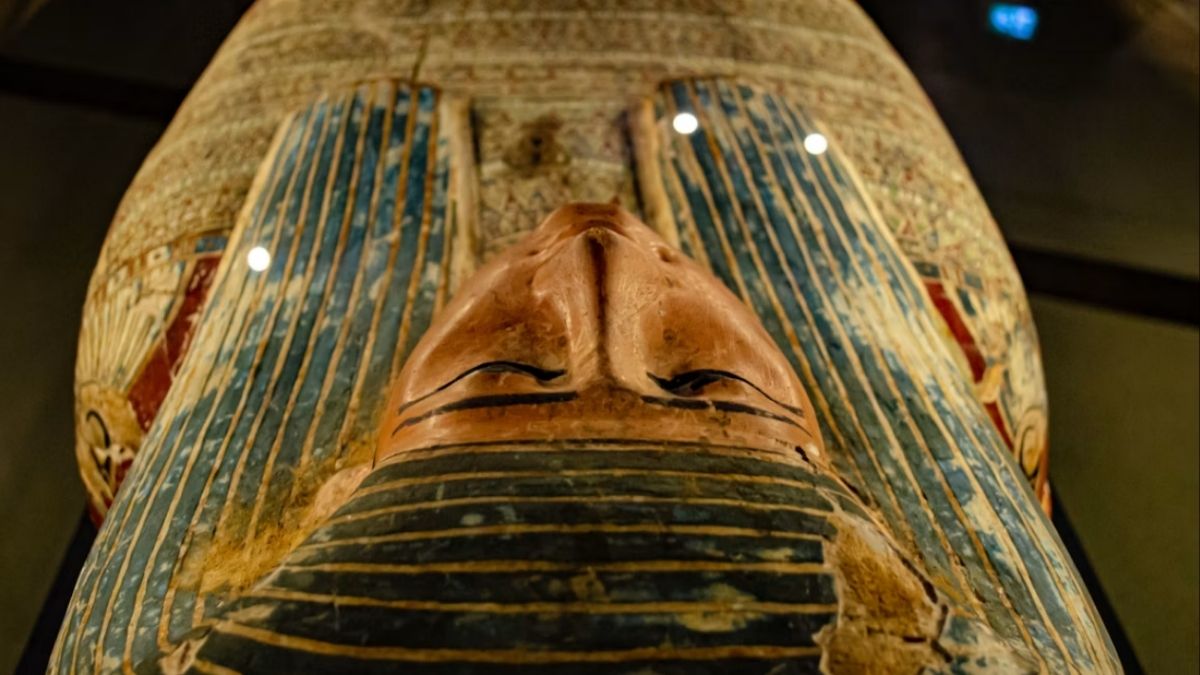
Who doesn’t love a few fun facts about the millenia of human history? We entertain ourselves with how life was in other times, thinking about how humans of the past faced the challenges we solve with modern technology. Some of those stories, though, enter an area of unsettling rather than entertaining.
These aren’t myths or urban legends but well-documented episodes that reveal just how strange the past could be. If you’ve ever enjoyed random historical trivia, be warned: these facts may start out sounding fun, but they quickly become much creepier the longer you think about them.
Unsplash.com
People Once Ate Mummies as Medicine
From the Renaissance into the 18th century, powdered Egyptian mummies were sold across Europe as medicine. Physicians prescribed the remains for everything from headaches to internal bleeding, creating a lucrative trade in human corpses.
Unsplash.com
The Dancing Plague of 1518
In Strasbourg, hundreds of people suddenly began dancing uncontrollably for days or even weeks. Some collapsed from exhaustion, and historians still debate exactly what caused one of history’s strangest mass outbreaks.
IMDb
The Paris Catacombs Hold Six Million Skeletons
When Paris’s cemeteries became dangerously overcrowded, officials moved millions of human bones into abandoned limestone quarries beneath the city. Today, neatly stacked skulls and femurs stretch for miles beneath modern streets.
IMDb
Victorian Families Posed With Their Dead
Post-mortem photography became common during the Victorian era. Families often dressed deceased relatives, posed them to appear asleep or even standing upright, and commissioned portraits as treasured keepsakes before burial.
Unsplash.com
Ancient Romans Used Human Urine as Mouthwash
Romans collected urine because its ammonia content made it useful for cleaning clothes and whitening teeth. Public urine collection was so profitable that Emperor Vespasian even imposed a tax on the practice.
IMDb
The Black Death Never Truly Disappeared
The plague that devastated medieval Europe still exists today. Modern antibiotics make it highly treatable, but isolated human cases of Yersinia pestis continue to appear in several parts of the world every year.
Unsplash.com
People Believed Tomatoes Were Poison
For centuries, many Europeans avoided tomatoes because wealthy diners often became sick after eating them. The real culprit was lead poisoning from pewter plates, but tomatoes unfairly received the blame.
Wikipedia
Abraham Lincoln’s Body Was Nearly Stolen
In 1876, counterfeiters attempted to steal Abraham Lincoln’s corpse from his tomb in Illinois. The bizarre plot failed, eventually leading caretakers to hide and repeatedly relocate his coffin for protection.
Unsplash.com
The Great Stink Nearly Shut Down London
During the scorching summer of 1858, the River Thames became so polluted with sewage that the smell overwhelmed Parliament. The crisis finally forced London to build a modern sewer system.
IMDb
Ancient Spartans Inspected Newborns
According to ancient sources, Spartan elders examined newborn infants and could order those deemed too weak or unhealthy to be abandoned. Historians debate how consistently this practice was actually carried out.
Unsplash.com
Executioners Sometimes Sold Body Parts
In parts of medieval and early modern Europe, executioners occasionally sold the bodies, blood, fat, or bones of executed criminals, all of which were believed to possess medicinal or magical properties.
Wikipedia
King Tut’s Tomb Sparked a Curse Craze
After Tutankhamun’s tomb was opened in 1922, several unrelated deaths fueled sensational newspaper stories about a deadly mummy’s curse. The legend became far more famous than the actual archaeological discovery.
Unsplash.com
People Slept in Two Separate Shifts
Before widespread artificial lighting, many Europeans commonly practiced “segmented sleep,” waking for an hour or two in the middle of the night before returning to bed. Those midnight hours were considered perfectly normal.
IMDb
Napoleon’s Teeth Were Made Into Souvenirs
After the Battle of Waterloo, scavengers stripped the battlefield of valuables, including soldiers’ teeth. Dentists later used thousands of these so-called “Waterloo teeth” in dentures sold across Europe.
Unsplash.com
The Dead Were Sometimes Buried With Bells
Fear of premature burial became so widespread during the 18th and 19th centuries that inventors created “safety coffins” equipped with bells or signaling devices, allowing anyone accidentally buried alive to call for help.
The post 15 Fun History Facts That Actually Are More Freaky Than Fun appeared first on Den of Geek.