By
By 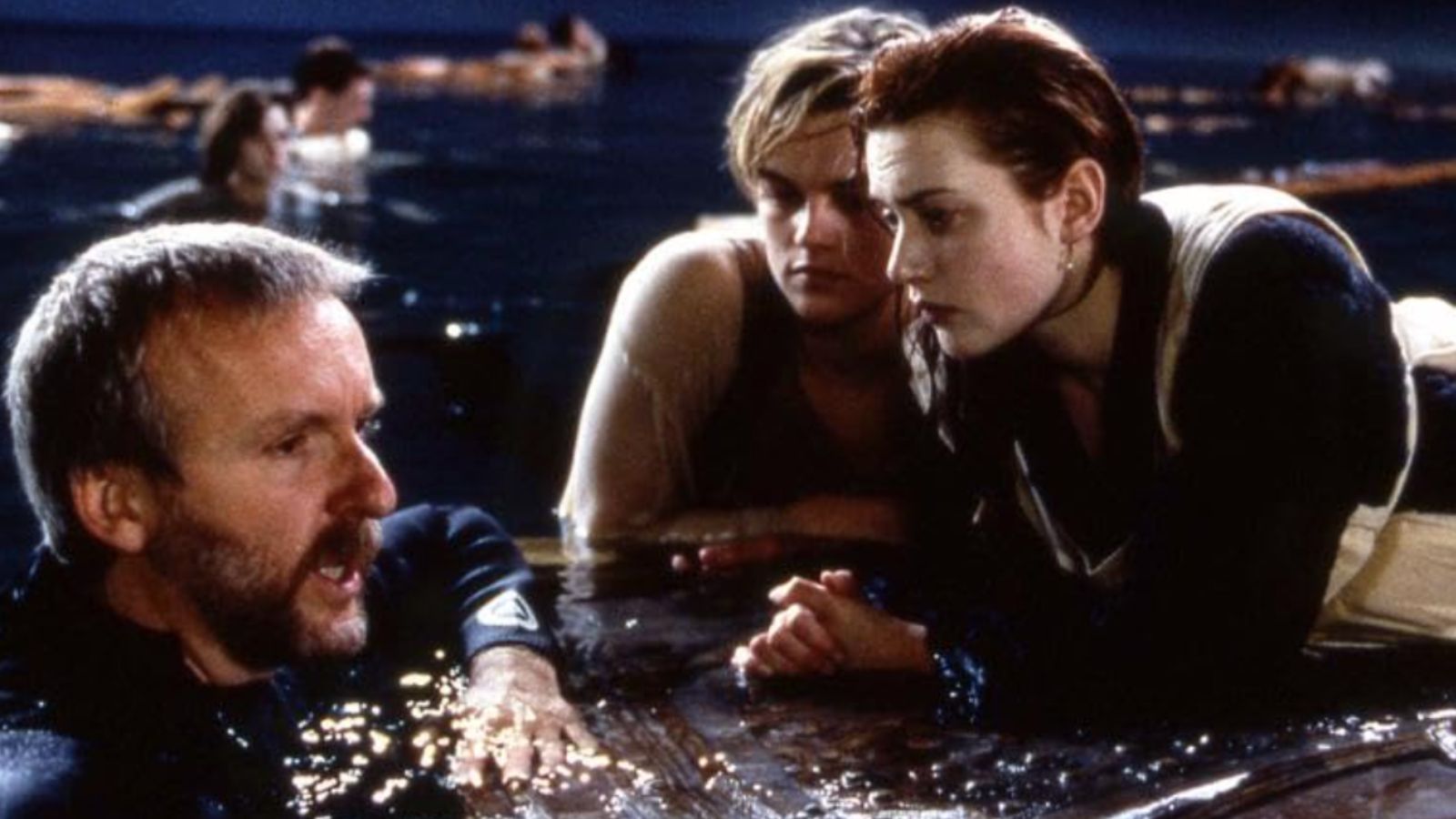
Great movies sometimes come with stories that are just as memorable as what ended up on screen. While many directors are known for pushing actors to deliver unforgettable performances, there have also been times when that pursuit crossed a line. Whether it meant creating unnecessarily stressful working conditions, insisting on risky stunts, or blurring the line between realism and discomfort, some filmmaking decisions have sparked debate for years. In many cases, those moments also helped change how movie sets operate today.
Here are 15 times a director went too far.
©IMDb
Stanley Kubrick, The Shining (1980)
Shelley Duvall was asked to perform some of her most emotional scenes over and over again, as Kubrick chased exactly the performance he wanted. She later described the experience as physically and emotionally exhausting.
©IMDb
Alfred Hitchcock, The Birds (1963)
Instead of relying entirely on mechanical birds, Hitchcock used live birds during several scenes, leaving Tippi Hedren scratched, bruised, and emotionally drained.
©IMDb
Werner Herzog, Fitzcarraldo (1982)
Instead of turning to visual effects, Herzog had the crew pull a real steamship over a mountain. The ambitious decision became one of the most physically demanding productions ever attempted.
©IMDb
Francis Ford Coppola, Apocalypse Now (1979)
What was supposed to be a relatively straightforward shoot turned into months of delays, severe weather, and constant production setbacks. By the time it wrapped, the making of the film had become legendary in its own right.
©IMDb
William Friedkin, The Exorcist (1973)
Friedkin often looked for genuine reactions instead of staged ones. His methods included surprising actors during filming and putting them through difficult physical conditions to capture more realistic performances.
©IMDb
James Cameron, The Abyss (1989)
Spending hours inside underwater tanks became part of everyday life for the cast. Several actors have since described the shoot as one of the most physically demanding experiences of their careers.
©IMDb
Lars von Trier, Dancer in the Dark (2000)
Björk later said she felt intimidated during production and described working with von Trier as emotionally overwhelming. The experience affected her so deeply that she stepped away from acting for years afterward.
©IMDb
Michael Cimino, Heaven’s Gate (1980)
Cimino became known for demanding countless retakes while chasing perfection, turning the production into one of Hollywood’s most expensive at the time. The constant delays and ballooning budget nearly brought the studio behind the film to its knees.
©IMDb
David O. Russell, Three Kings (1999)
Russell’s temper reportedly led to several confrontations on set, including a widely reported clash with George Clooney. Their disagreement became one of the movie’s best-known behind-the-scenes stories.
©IMDb
Quentin Tarantino, Kill Bill: Vol. 2 (2004)
Uma Thurman has said she was uncomfortable filming a driving scene after raising concerns about the car and the road. She ended up crashing the vehicle, suffering injuries that continued to make headlines years later.
©IMDb
David Fincher, Zodiac (2007)
It’s not unusual for a Fincher scene to require dozens of takes. While many actors respect his attention to detail, some have admitted the process can be mentally exhausting.
©IMDb
Sergio Leone, Once Upon a Time in the West (1968)
Leone refused to rush a shot, even if it meant actors waiting for hours under the hot sun while he adjusted every detail. His patience helped create memorable visuals, but it also tested the cast’s endurance.
©IMDb
Alejandro G. Iñárritu, The Revenant (2015)
Rather than relying on artificial lighting, Iñárritu chose to shoot almost everything with natural light. That decision created stunning visuals, but also meant long waits and freezing conditions for the cast and crew.
©IMDb
Fritz Lang, Metropolis (1927)
Lang’s ambitious vision came at a high cost for the people making the film. Hundreds of extras spent long hours repeating scenes on enormous sets, with many later recalling how physically exhausting the production had been.
©IMDb
James Cameron, Titanic (1997)
Cameron rarely settled for “good enough.” Between massive water tanks, repeated takes, and the sheer scale of the production, Titanic earned a reputation as one of the most demanding shoots of its era.
The post 15 Times a Director Went Too Far appeared first on Den of Geek.