By
By 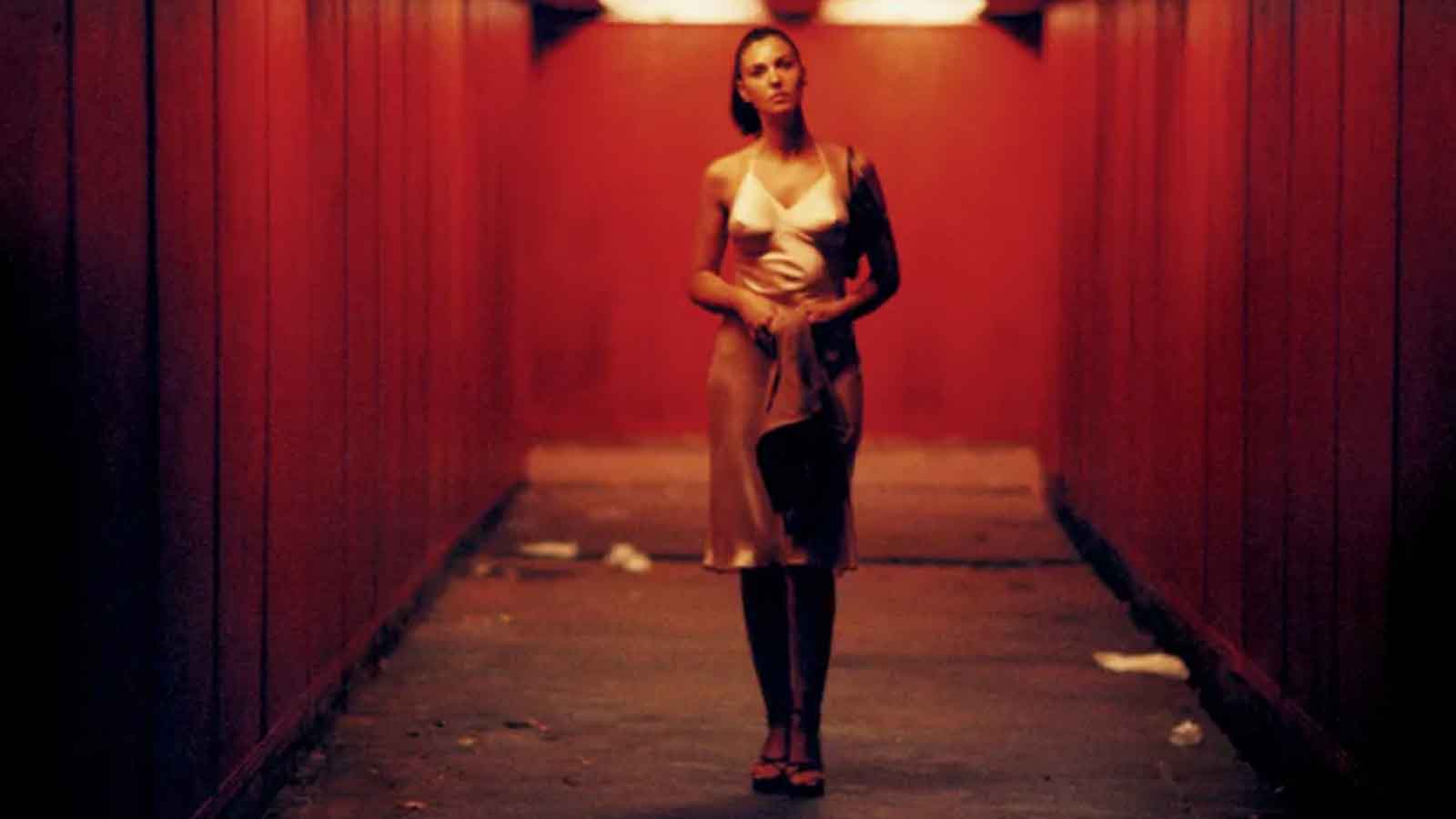
Movies can face a lot of backlash before release, whether due to controversial subject matter, political themes, or public outrage over creative choices. In these cases, directors are often forced to decide whether to compromise or stand their ground.
Many projects are altered or abandoned, yet a few move forward exactly as intended, despite the noise surrounding them. These films often arrive with intense scrutiny, sometimes becoming bigger cultural talking points because of it. These are the directors who chose to push ahead anyway, sticking to their vision even when audiences, critics, or entire groups demanded otherwise.
Martin Scorsese, The Last Temptation of Christ
The film sparked intense religious protests and bans before release, yet Scorsese refused to back down, defending it as a personal exploration of faith despite widespread backlash.
Stanley Kubrick, A Clockwork Orange
Accused of glorifying violence, the film faced major criticism and was even withdrawn from UK circulation for years, but Kubrick stood by his vision and refused to alter the film.
Oliver Stone, JFK
Stone faced accusations of promoting conspiracy theories and distorting history, but he pushed forward with the film, defending it as a challenge to official narratives.
Mel Gibson, The Passion of the Christ
Before release, the film was criticized for alleged antisemitism and extreme violence. Gibson self-financed and released it anyway, where it became a massive commercial success.
Quentin Tarantino, Django Unchained
The film drew controversy over its use of racial slurs and depiction of slavery, but Tarantino defended his approach as historically grounded and necessary for the story.
Lars von Trier, The House That Jack Built
The film’s graphic violence led to walkouts at its premiere, yet von Trier continued to defend its artistic intent despite strong backlash and controversy.
Todd Phillips, Joker
Concerns that the film could incite violence led to media scrutiny before release, but Phillips dismissed the criticism and released the film unchanged.
Kevin Smith, Dogma
Religious groups protested the film’s themes and portrayal of Catholicism, but Smith leaned into the controversy and even joined protests, defending the film’s satirical intent.
Darren Aronofsky, mother!
The film’s disturbing imagery and allegorical storytelling divided audiences, but Aronofsky stood firm, explaining it as an intentionally polarizing artistic statement.
Gaspar Noé, Irreversible
The film’s extreme content and structure led to outrage and walkouts, but Noé maintained his vision, emphasizing its purpose as a challenging cinematic experience.
Seth Rogen and Evan Goldberg, The Interview
After threats and a major cyberattack tied to its subject matter, the filmmakers still pushed for release, ultimately distributing the film through alternative means.
Harmony Korine, Spring Breakers
Criticized for its portrayal of youth culture and excess, Korine defended the film as intentional commentary, refusing to adjust its provocative tone.
Catherine Hardwicke, Thirteen
The film faced criticism for its raw depiction of teenage behavior, but Hardwicke pushed forward, emphasizing its basis in real experiences.
David Cronenberg, Crash
The film’s explicit themes caused bans and public outrage, yet Cronenberg defended it as an exploration of human psychology and released it without compromise.
Roman Polanski, The Pianist
Despite Polanski’s personal legal controversies, he continued directing internationally, and the film was released to critical acclaim despite ongoing public debate.
Lars von Trier, Antichrist
The film’s graphic and disturbing content sparked strong reactions at festivals, but von Trier remained committed to his vision despite controversy.
Ridley Scott, Exodus: Gods and Kings
The film faced backlash over casting choices, but Scott defended his decisions and released the film without major changes.
Darren Aronofsky, Noah
Religious groups criticized its interpretation of biblical material, yet Aronofsky stood by his creative approach and released the film largely unchanged.
Levan Akin, And Then We Danced
Facing protests and threats in Georgia over its LGBTQ themes, Akin continued production and release, with the film becoming a symbol of cultural resistance.
The post 19 Directors Who Pushed Forward Despite Public Pushback appeared first on Den of Geek.