By
By 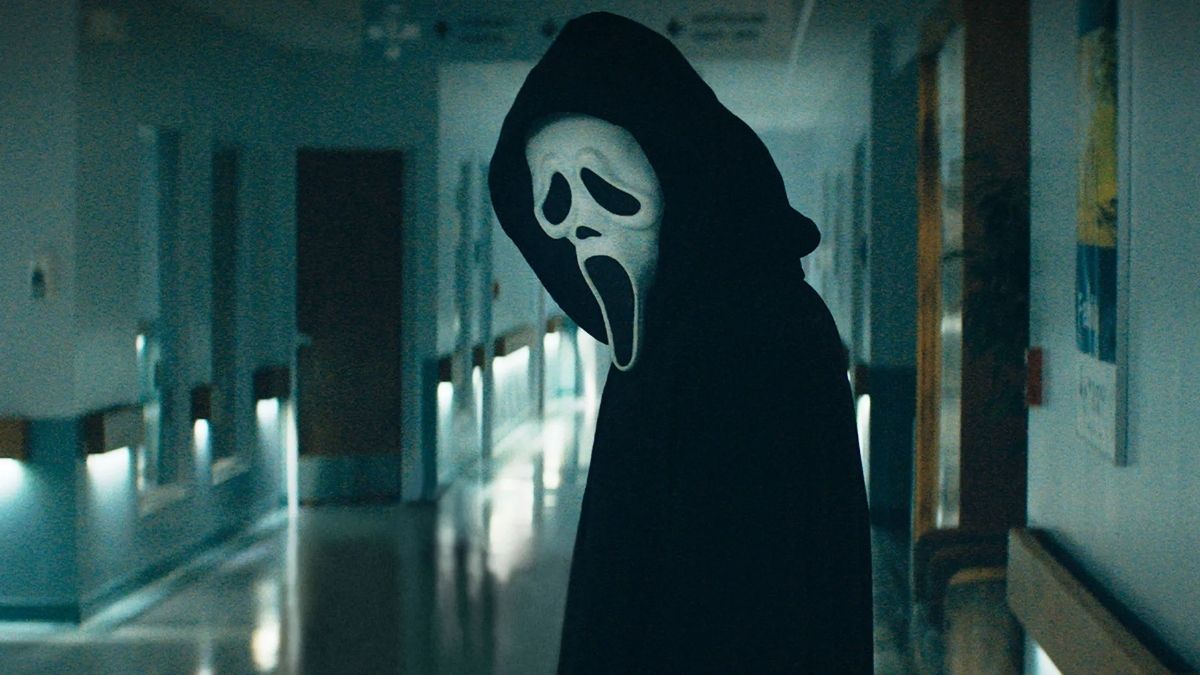
All movies want to leave their mark on the world, although some do more than just make a memorable film. Some techniques, choices or narrative devices end up forever marked in the styles of filmmaking, which leaves us with trope-setting films that elevate the medium.
Over time, the ideas presented by these films become familiar patterns, repeated so often that they feel like established rules of the craft. What started as a one-off choice can evolve into a defining trope for an entire genre. These are the movies that quietly reshaped how stories are told, often without realizing the impact they would have.
Jaws
By hiding the shark due to technical issues, the film helped popularize the “less is more” approach in horror, where unseen threats create more tension than constant visibility.
Halloween
Its use of a silent, masked killer stalking victims helped define the modern slasher formula, influencing countless horror films that followed.
Star Wars
Helped cement the “used future” aesthetic, where sci-fi worlds feel lived-in and worn rather than clean and futuristic, shaping the genre’s visual language.
The Matrix
Popularized “bullet time” and stylized slow-motion action, influencing countless action films and video games in the years that followed.
The Blair Witch Project
Brought found-footage horror into the mainstream, establishing a format that many later films would adopt.
Psycho
Killing off its apparent main character early shocked audiences and popularized the idea that no character is truly safe.
The Terminator
Helped define the unstoppable, emotionless pursuer trope, later seen across multiple genres and franchises.
Die Hard
Created the “everyman action hero” archetype, moving away from invincible protagonists to more vulnerable, relatable leads.
The Godfather
Redefined gangster films by humanizing criminals and focusing on family dynamics, influencing decades of crime storytelling.
Scream
Brought meta-commentary into horror, with characters aware of genre rules, influencing a wave of self-aware films.
The Sixth Sense
Helped popularize twist endings as a defining feature, encouraging audiences to revisit films for hidden clues.
The Lord of the Rings
Set the modern standard for epic fantasy adaptations, including large-scale battles and interconnected storytelling.
Titanic
Reinforced the disaster romance formula, combining large-scale tragedy with intimate character relationships.
The Dark Knight
Helped push superhero films toward darker, more grounded storytelling with complex villains.
Toy Story
Pioneered fully CGI animated storytelling in mainstream cinema, influencing the animation industry’s direction.
Fast & Furious
Evolved street racing films into globe-trotting heist action, setting a template for escalating franchise stakes.
The post 16 Movies That Accidentally Created New Tropes appeared first on Den of Geek.