By
By 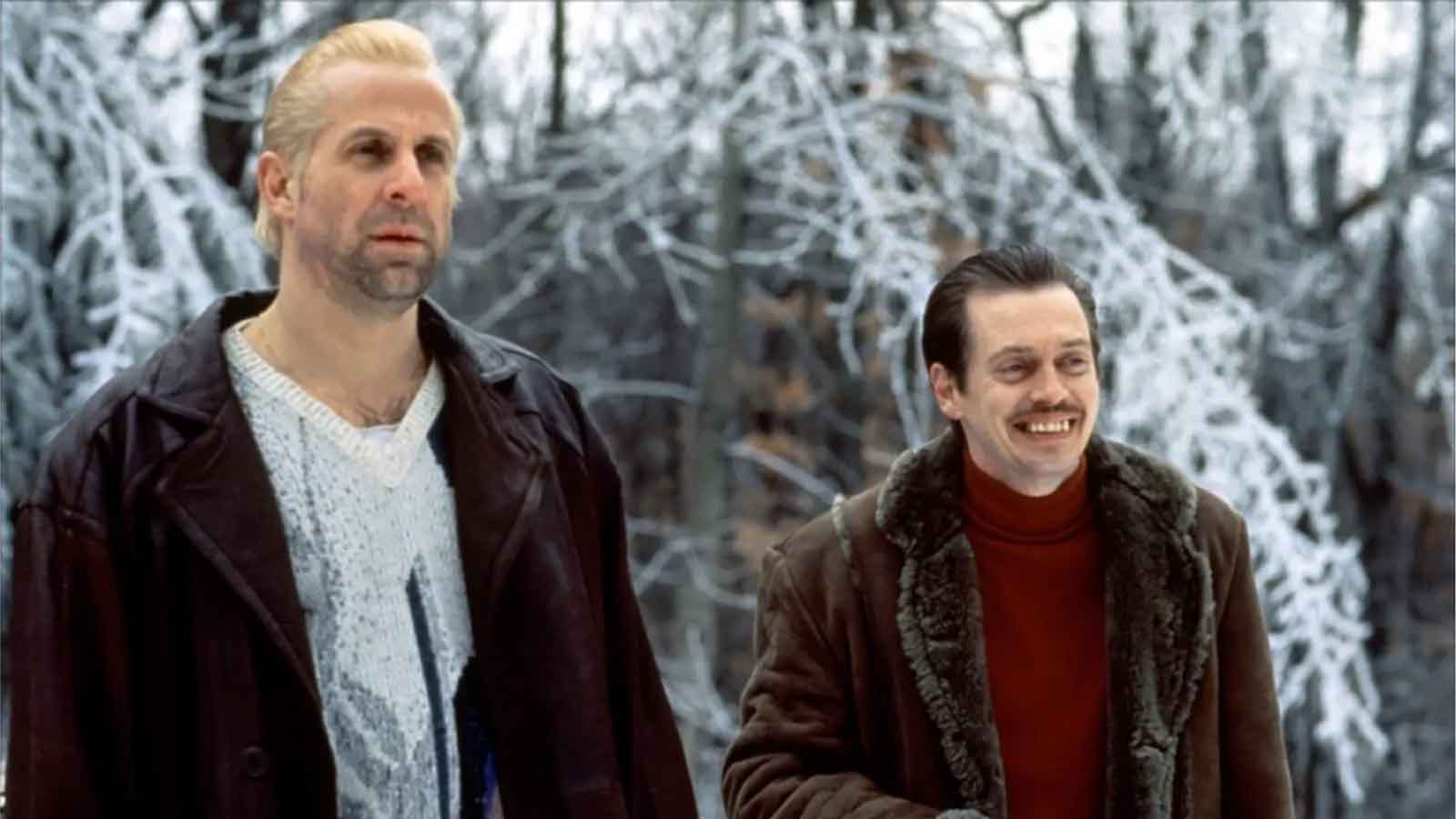
Hollywood loves the phrase “based on a true story,” even though that label often stretches the truth to its limits. In many cases, real events serve only as a loose foundation, with filmmakers reshaping timelines, inventing characters, or exaggerating details to heighten drama.
Some films blur facts beyond recognition, while others build entire narratives on disputed or unreliable sources. The result is a long list of movies that feel authentic on the surface but drift far from reality upon closer inspection. It’s always good to treat the label of “true story” with some skepticism, but with these films, finding the truth is what’s hard.
Saturday Night Fever
Marketed as a gritty snapshot of real disco-era life, it was inspired by a magazine article that its own author later admitted was largely fabricated.
Bloodsport
Claims to tell the story of Frank Dux and his participation in a secret underground martial arts tournament. Most of Dux’s story has been widely discredited, with no verifiable evidence of the ‘Kumite’ ever existing.
Catch Me If You Can
Promoted as the unbelievable real-life exploits of Frank Abagnale Jr., the movie exaggerates or invents many of its most memorable events. Investigations into Abagnale’s past suggest that key claims, including major impersonations, lack evidence, making the film far more fictionalized than its framing implies.
The Conjuring
Presents itself as a faithful retelling of one of Ed and Lorraine Warren’s most famous cases. While many of the film’s most dramatic elements were invented or heightened to create a more intense cinematic experience, the reality of the couple is that they were con artists, not paranormal heroes.
The Greatest Showman
Though inspired by the life of P. T. Barnum, the film significantly rewrites history. It portrays Barnum as a compassionate visionary while downplaying or omitting his more controversial practices.
Flamin’ Hot
Tells the story of Richard Montañez and his claim to have invented Flamin’ Hot Cheetos. However, that origin story has been disputed by the company behind the product, which credits a different development process. The film leans heavily into a narrative that remains controversial rather than confirmed.
Fargo
The movie famously opens by claiming it is based on a true story, but that statement is entirely false. The Coen brothers later confirmed the film is fictional, aside from vague inspirations. The “true story” label was a deliberate stylistic choice, making it one of the most playful yet misleading examples.
Pain & Gain
While the movie is based on a real criminal case, it takes significant liberties with tone and detail. The film exaggerates events and alters facts to fit its dark comedic style, often downplaying the brutality of the crimes.
Braveheart
Braveheart draws from the story of William Wallace but takes extensive historical liberties. Key events, relationships, and even entire character arcs are inaccurate or invented.
Cocaine Bear
Inspired by a real incident involving a bear that ingested cocaine, Cocaine Bear transforms a brief and tragic event into a chaotic action spectacle. The real bear died quickly, with no rampage or encounters.
Bohemian Rhapsody
The film dramatizes the life of Freddie Mercury and the rise of Queen but rearranges major events for narrative impact. The timeline of Mercury’s diagnosis and the band’s history is altered, particularly around Live Aid.
Green Book
Based on the relationship between Don Shirley and Tony Lip, Green Book has been criticized for inaccuracies and omissions. Shirley’s family disputed key aspects of the portrayal, including the nature of their relationship.
Argo
The movie recounts a real CIA operation during the Iran hostage crisis but reshapes events to heighten tension. The film minimizes the crucial role played by Canadian officials and adds dramatic sequences that did not occur.
The Strangers
Marketed as inspired by real events, The Strangers does not directly depict a specific true story. Instead, it draws loosely from various sources, including vague criminal cases and general fears.
The Heart Is Deceitful Above All Things
Presented as an adaptation of autobiographical stories by JT LeRoy, this film’s “true story” roots collapsed when the author’s identity was exposed as a fabrication. The persona behind the work was fictional, casting serious doubt on the authenticity of the events depicted in the film.
The post 15 Movies That Lied About the ‘True Story’ Part appeared first on Den of Geek.