By
By 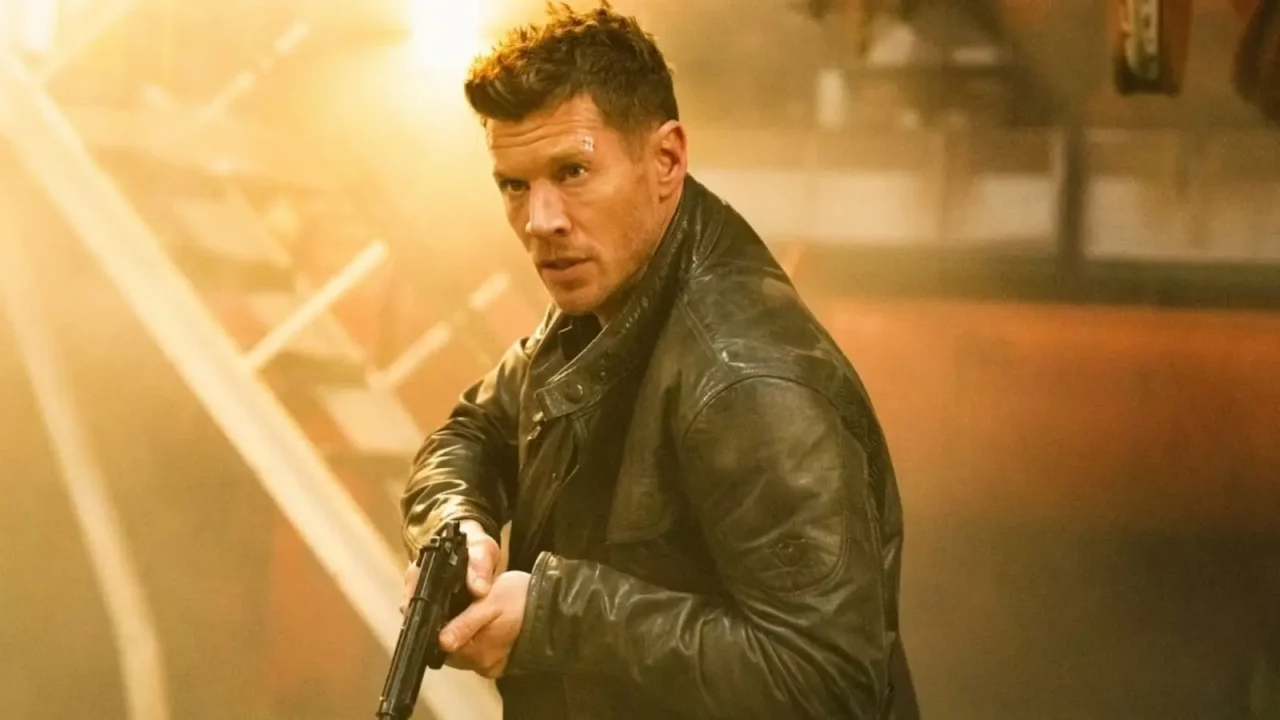
Sniper: No Nation continues the long-running franchise with a high-stakes hook: elite sniper Brandon Beckett is forced off the grid after a covert mission spirals out of control, leaving him disavowed, hunted by enemies, and fighting for survival without the protection of any nation, while a larger conspiracy begins to unfold in the shadows.
At the center is Chad Michael Collins as Brandon Beckett, now pushed into unfamiliar territory as both leader and fugitive, delivering a performance that balances precision with internal conflict. However, the film makes an unusual creative choice by shifting much of the narrative focus toward supporting characters, which feels strange for a franchise where the sniper has traditionally been the central figure, leaving Beckett slightly less dominant than expected.
Alongside him, Ryan Robbins returns as Zeke “Zero” Rosenberg, maintaining strong chemistry and grounding the story with a more serious, survival-driven tone.
The return of Tom Berenger as Thomas Beckett adds legacy appeal, and while his involvement may feel more nostalgic than necessary, it likely reflects long-standing efforts to bring him back into the fold since the early days of the franchise, reinforcing its roots in Sniper.
On the opposing side, Roman Diaz, a fascist leader who has taken control of the country of Costa Verde following the death of his more progressive brother.
The leader of the Iron Legion emerges as a formidable antagonist delivering a villain presence that is both commanding and memorable, easily one of the stronger antagonistic forces the series has produced and deserving of genuine applause.
Director Trevor Calverley steps into the role after previously serving as director of photography on Sniper: The Last Stand, bringing with him a strong visual understanding of the franchise’s tone and style. His transition from cinematography to directing proves effective, as he demonstrates a confident command of both action staging and visual storytelling.
Calverley leans into the grounded, tactical identity that defined the earlier entries, while also expanding the scope into a more serialized narrative, showing clear awareness of what the series requires at this stage.
The stunts and camera work are where the film truly excels. From the opening moments, the action leans into close-quarters combat and tactical engagements, building toward a series of gunfight sequences that rank among the best the franchise has delivered since its earliest installments. These sequences emphasize strategy, positioning, and controlled execution, avoiding unnecessary chaos in favor of clarity and impact.
The camera work supports this approach with steady framing and deliberate pacing, ensuring that every exchange of fire feels purposeful and immersive. The darker tone is reinforced visually, creating a constant sense of tension that underscores the characters’ precarious situation.
What ultimately defines Sniper: No Nation is its evolution into a larger, interconnected narrative. By placing its heroes outside the protection of any nation, the film raises both emotional and narrative stakes, pushing the series into more complex territory. The story unfolds with multiple layers and perspectives, building toward a conclusion that refuses to provide easy answers and instead leaves the door wide open for continuation, making it clear that the events of The Last Stand were far from final.
The final verdict is clear: Sniper: No Nation will strongly appeal to long-time fans of the franchise and viewers who appreciate grounded, tactical action with a more serious tone and high-stakes storytelling. Those invested in Brandon Beckett’s journey will find this installment both satisfying and forward-looking, while newcomers may find it engaging but best experienced with prior knowledge of the series.
The post Sniper: No Nation movie review appeared first on Budomate Magazine.