By
By 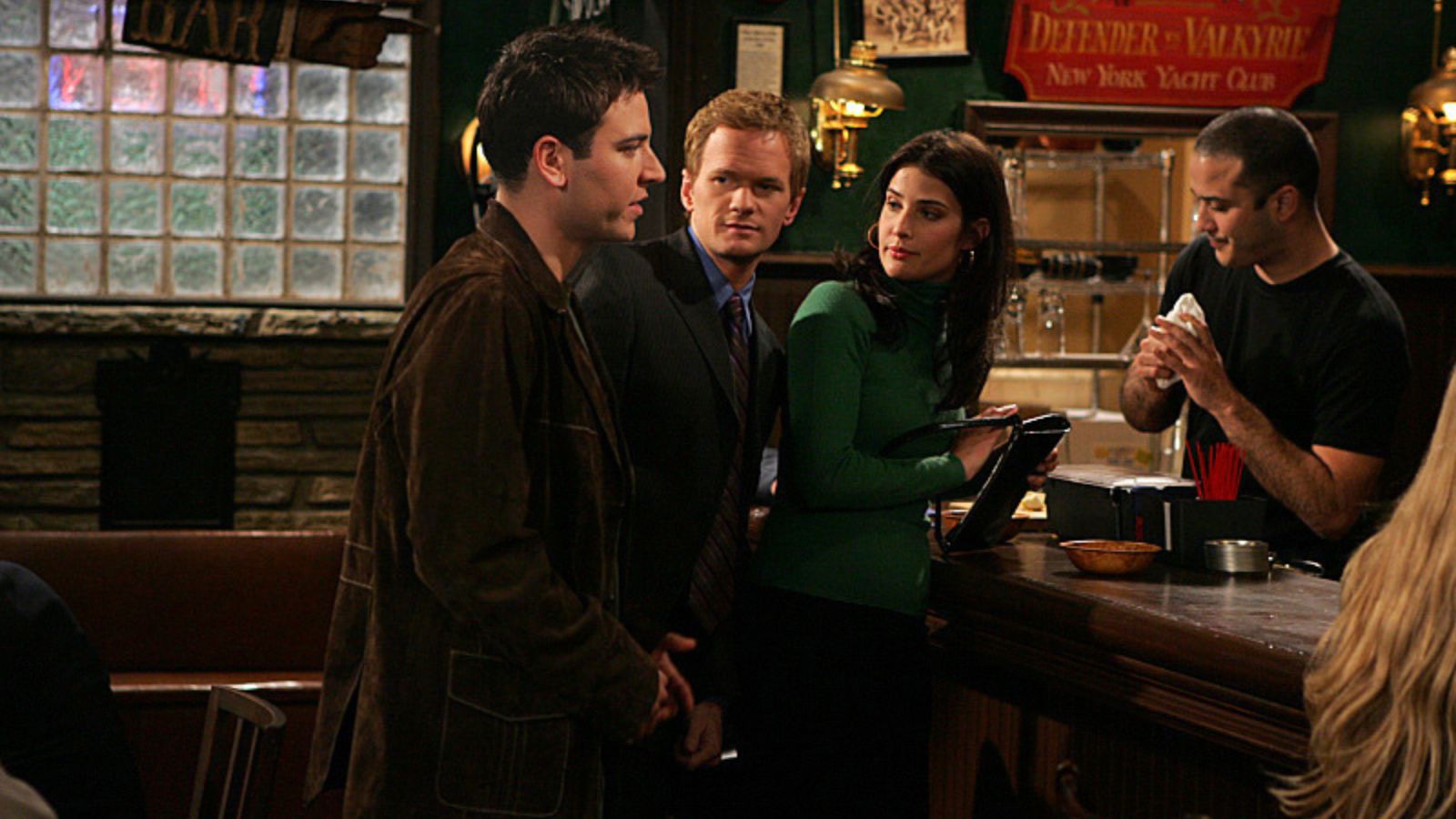
There’s always something happening behind the scenes that most viewers never notice. From unexpected casting decisions to improvised moments that made it into the final cut, movies and TV shows are full of small details that add an extra layer to the experience. Sometimes these facts change the way we see a character, and other times they simply make us appreciate the work that goes into every scene. Whether it’s a clever production trick or a random piece of trivia, these insights reveal how much more there is beyond what ends up on screen.
The Crown
Many interiors are recreated on soundstages with extreme detail, sometimes even more historically accurate than the real locations they represent.
The Mandalorian
“Baby Yoda” was primarily a puppet, not just digital animation. The physical presence on set helped actors interact more naturally, which is why the character feels so believable.
The Office
During the “Diversity Day” episode, Steve Carell improvised several awkward lines that made it into the final cut, shaping Michael Scott’s entire tone early on.
The Simpsons
While often called prophetic, many “predictions” are actually the result of decades on air. With that many episodes, it’s statistically likely they’d mirror real events eventually.
The Walking Dead
Zombies weren’t allowed to run or show too much intelligence. The creators kept clear boundaries to maintain consistency in how the threat was portrayed.
The Witcher
Henry Cavill, a fan of the books and games, often advocated for details to stay faithful to the source material, influencing dialogue and character behavior.
Westworld
At one point, viewers on forums correctly predicted major plot twists, which led the creators to rethink how much to reveal and how to structure future seasons.
Black Mirror
Even though there are subtle connections, each story is written to work completely on its own, which is why the tone and style can shift so drastically from episode to episode.
Breaking Bad
The iconic blue crystals weren’t anything dangerous on set. They were made of rock candy, and actors like Aaron Paul reportedly snacked on them between takes, which makes the whole thing a lot less intimidating behind the scenes.
Euphoria
The bold colors and neon tones aren’t random. Each palette reflects emotional states, helping tell the story visually without dialogue spelling everything out.
Friends
By later seasons, the six main actors, including Jennifer Aniston, chose to negotiate their salaries together. That move helped them all reach the famous one million dollars per episode mark.
Game of Thrones
The throne was designed to look jagged and awkward, reflecting how ruling Westeros was never meant to feel safe or easy. It also made long filming days pretty rough for whoever had to sit on it.
How I Met Your Mother
The final scene with the kids was shot during the early seasons to avoid aging continuity issues, which meant the ending was locked in long before the story fully evolved.
House of the Dragon
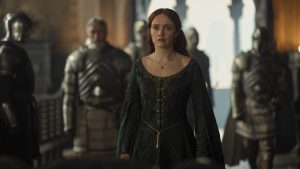
The elaborate white wigs required hours of preparation every day, especially for characters like Rhaenyra and Daemon, adding a huge time commitment before filming even began.
Lost
The famous sequence 4 8 15 16 23 42 became a huge part of the mythology, but it originally started as a simple background detail that the writers expanded later.
Rick and Morty
Justin Roiland often improvised dialogue, leading to the show’s chaotic and unpredictable tone. Some of the funniest moments came from these unscripted takes.
Severance
The empty, maze-like office layout is intentionally disorienting. It visually reinforces the idea of separation and control without needing constant explanation.
Sherlock
Instead of cutting away to phones, the show overlays texts on screen. This stylistic choice made conversations feel faster and more immersive without breaking pacing.
Stranger Things
While, the Demogorgon, looks heavily digital, many close-up shots used practical effects and suits. That’s part of why the creature feels so real and grounded compared to fully CGI monsters.
The Bear
The fast-paced cooking scenes are carefully timed and rehearsed, almost like fight choreography, to capture the stress and rhythm of a real kitchen.
The post 20 Things Worth Knowing About Movies, TV, and Culture appeared first on Den of Geek.