By
By 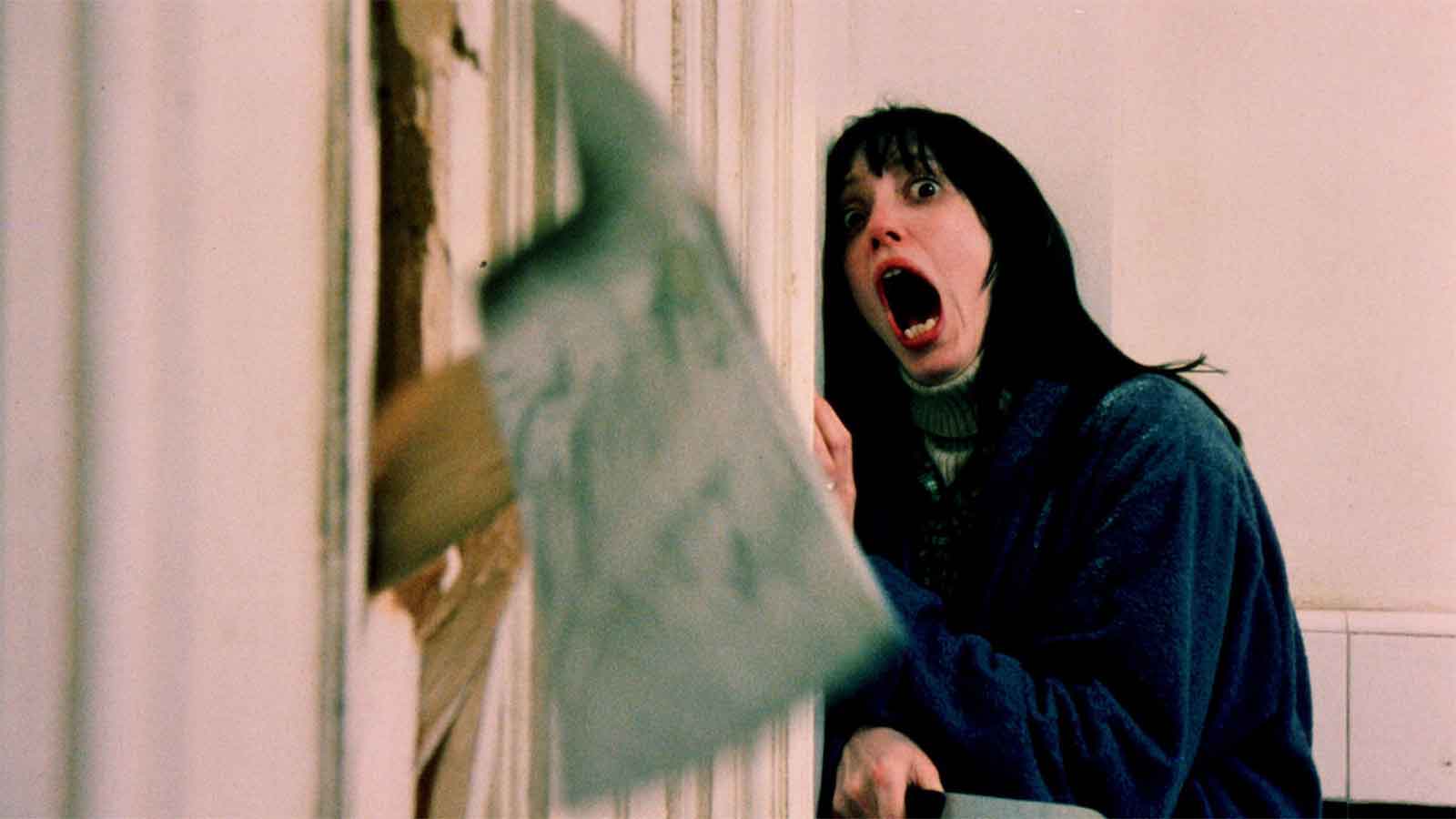
Directing is certainly a difficult craft, but sometimes too much is too much. Throughout film history, certain directors are known for pushing actors far beyond their comfort zones in pursuit of authenticity. Whether through endless retakes, emotional manipulation, or physically demanding conditions, these methods spark ongoing debate among fans and industry professionals alike.
In some cases, the results are unforgettable performances. In others, they raise serious questions about ethics on set. From psychological pressure to real physical risk, these stories reveal what can happen when directors chase perfection at any cost.
The Shining, Stanley Kubrick & Shelley Duvall
Kubrick pushed Duvall through extreme emotional strain, demanding repeated takes of intense scenes, including one reportedly filmed over 100 times, leaving her exhausted and emotionally drained.
Apocalypse Now, Francis Ford Coppola & Martin Sheen
Sheen suffered a real heart attack during production, with Coppola continuing to push the chaotic shoot, blending real distress with the film’s intense psychological tone.
Black Swan, Darren Aronofsky & Natalie Portman
Portman underwent intense physical training and extreme weight loss, pushed to embody a professional ballerina, resulting in injuries and exhaustion during production.
The Revenant, Alejandro G. Iñárritu & Leonardo DiCaprio
DiCaprio endured freezing conditions, ate raw bison liver (as a vegetarian), and performed physically punishing scenes, as Iñárritu insisted on natural lighting and harsh realism.
Fitzcarraldo, Werner Herzog & Klaus Kinski
Herzog famously insisted on hauling a real ship over a mountain, pushing Kinski and the crew through dangerous, exhausting conditions for the sake of authenticity.
A Clockwork Orange, Stanley Kubrick & Malcolm McDowell
McDowell suffered a scratched cornea during the eye-clamp scene, with Kubrick pushing for realism despite the physical discomfort and risk involved.
The Birds, Alfred Hitchcock & Tippi Hedren
Hitchcock used real birds during attack scenes, subjecting Hedren to days of physically and emotionally distressing filming that left her reportedly traumatized.
The Exorcist, William Friedkin & Linda Blair
Blair was subjected to intense physical effects that caused injuries, as Friedkin prioritized realism in the film’s disturbing possession scenes. He even fired a gun on set without warning among other manipulations to provoke real fear.
The Island of Dr. Moreau, John Frankenheimer & Val Kilmer
A chaotic production environment led to intense clashes, with Kilmer’s behavior and the director’s pressure creating a volatile and exhausting set.
Whiplash, Damien Chazelle & Miles Teller
Teller practiced drumming to the point of bleeding, with Chazelle pushing for authenticity in performance intensity that mirrored the film’s narrative.
Kill Bill Volume 2, Quentin Tarantino & Uma Thurman
Tarantino insisted Thurman perform a driving stunt herself, resulting in a crash that caused injuries and later controversy over on-set safety.
The Abyss, James Cameron & Ed Harris
Harris experienced extreme stress filming underwater sequences, including a near-drowning moment that left him emotionally shaken.
Roar, Noel Marshall & Tippi Hedren
Actors worked with real lions and wild animals, leading to numerous injuries, highlighting the extreme risks taken during production.
The post 13 Times a Director Pushed an Actor To, and Past Their Limit appeared first on Den of Geek.