By
By 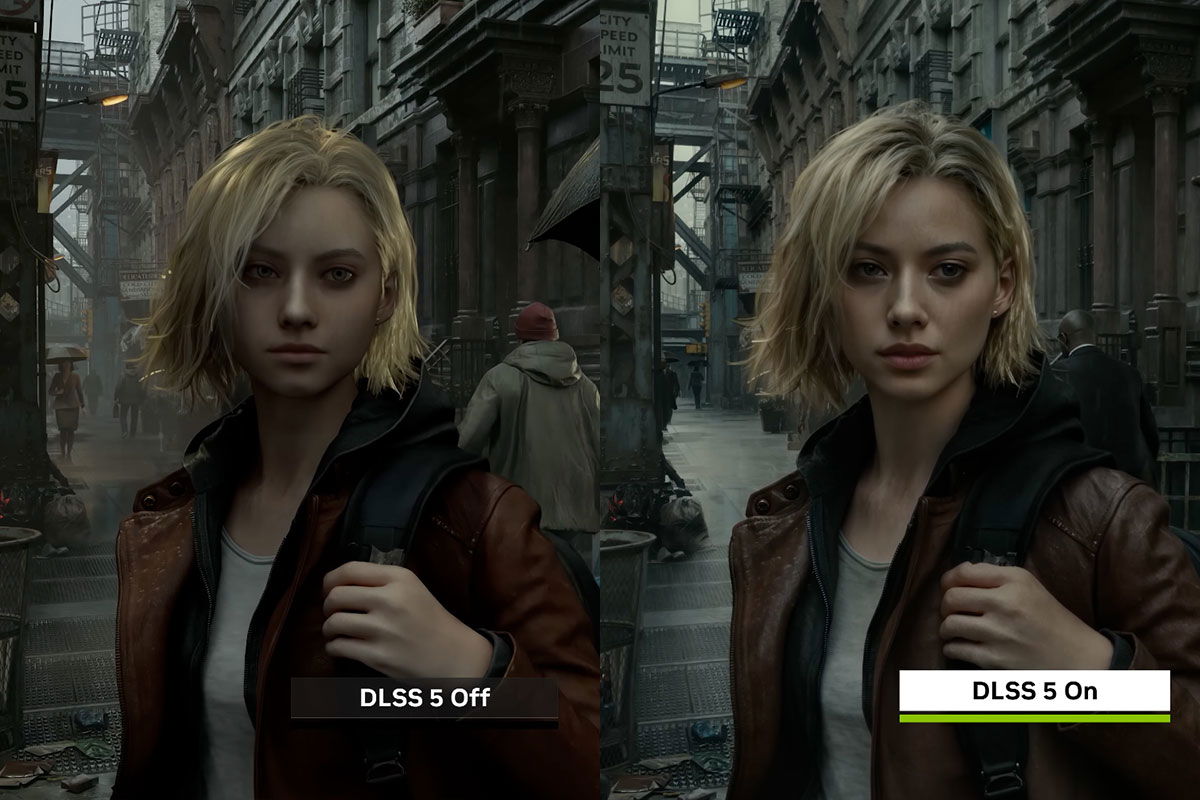
Two different game upscaling technologies made news today, but the reception has proven quite different and divisive.
Sony has officially released PSSR 2 today, the update for PS5 Pro consoles upgrades the console’s machine learning upscaling technique – resolving many of the issues with the first version such as film grain-like artifacts.
Testing on sites like Digital Foundry confirm that with the update, the issues are not only gone but on titles tested the new tech appears to offer better quality upscaling than AMD’s FSR4 but not quite as good as current NVIDIA DLSS 4.5 on newer Nvidia PC graphics cards.
Multiple games like “Silent Hill 2,” “Silent Hill f,” “Dragon Age: The Veilguard,” “Control,” “Alan Wake 2,” “Senua’s Saga: Hellblade II,” “Final Fantasy VII Rebirth,” “Nioh 3,” “Rise of the Ronin,” “Monster Hunter Wilds” and “Dragon’s Dogma 2” have already been updated to adopt the upgraded PSSR 2. “Assassin’s Creed Shadows” and “Cyberpunk 2077” get updates in the coming weeks.
An optional PS5 Pro system toggle can also apply the newer upscaler to other existing PSSR-supported games, but to make full use of its capabilities by default requires an update.
Newer games, including “Crimson Desert,” are expected to come with it as standard. “Resident Evil Requiem” was the first title released with the newer tech. So far reception has been very positive, it even appears to have spawned a surge in PS5 Pro sales.
Hours after the drop, NVIDIA teased DLSS 5 – the newest version of its upscaler and the reception to that has been more divisive, as much (if not more so) as when Frame Generation was introduced in 2022.
The biggest change here is that NVIDIA’s using what is dubbed ‘neural rendering’ to impact the game’s lighting model – leading to a significant impact on the title’s visual look and photorealism.
A 70-second video was released showing the difference in games like “Starfield,” “Resident Evil Requiem,” and “Hogwarts Legacy” and in a blog post they say the tech is “blending hand-crafted rendering with generative AI to deliver a dramatic leap in visual realism” with “photoreal computer graphics previously only achieved in Hollywood visual effects”.
The company calls this the most significant breakthrough in computer graphics since the debut of real-time ray tracing in 2018 and from the sounds of it the first cards capable of employing the tech will ship this Fall.
However reception online has been divisive with the higher contrast lighting and changes to facial textures drawing comparisons to generative AI and Instagram filters and others slamming it for messing with a game’s art direction. Memes are already being generated by the truckload, as are defenses such as one at RyanShrout going into how the technology works and how the developers and artists have full control over its implementation. Judge for yourself in the comparison video below:
The post Sony Releases PSSR2, NVIDIA Teases DLSS 5 appeared first on Dark Horizons.