By
By 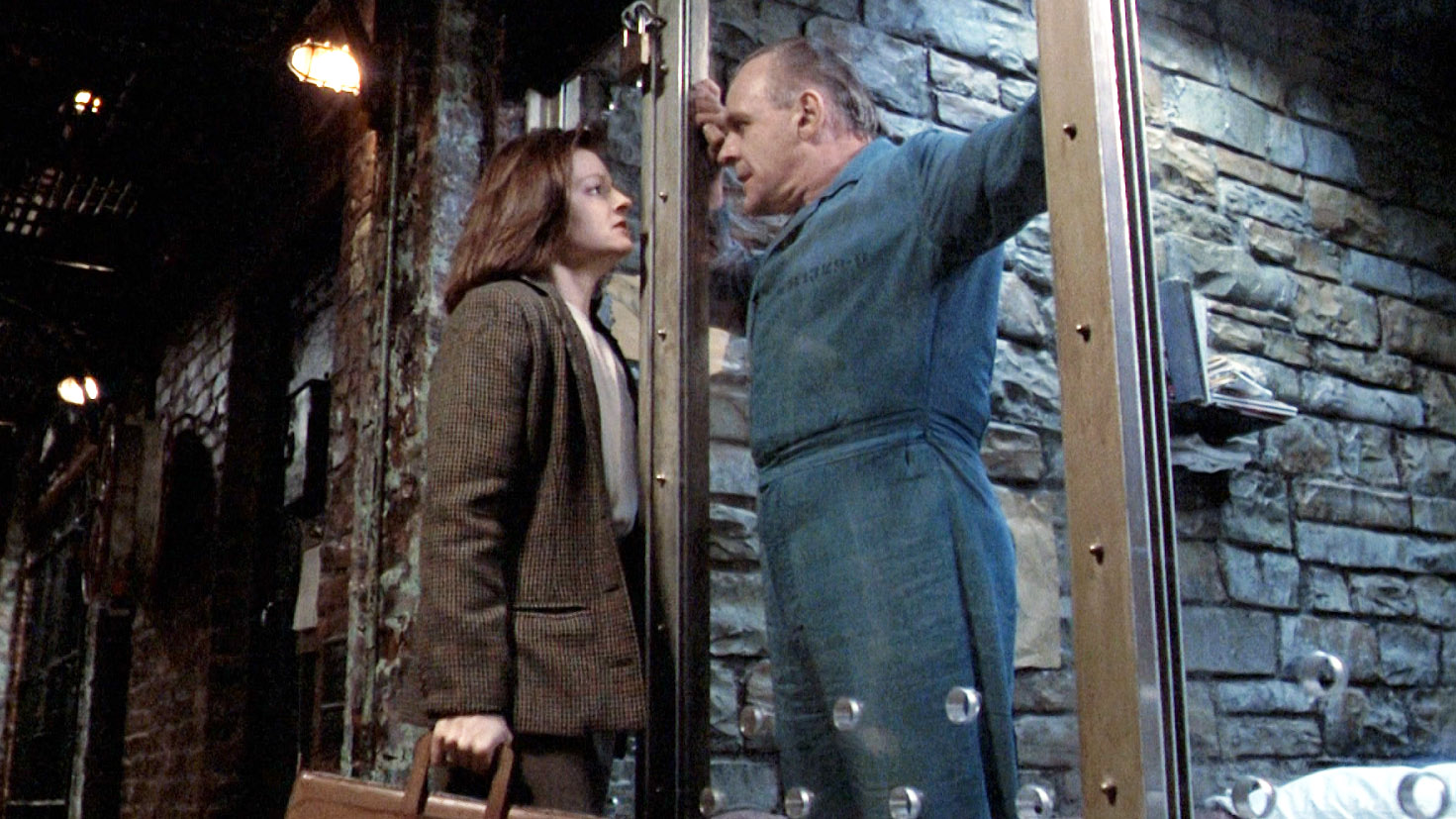
As we enjoy the record-breaking Oscars season that Sinners is enjoying, we should look back at the horror movie that finally got the Academy to pay attention to the genre. Released in 1991, The Silence of the Lambs won all the major categories, bringing home Best Picture, Best Director, Best Actor, Best Actress, and Best Adapted Screenplay, a rarity for any movie, let alone one about a guy who eats people’s livers with fava beans and a nice Chianti.
Yet, as The Silence of the Lambs celebrates its 35th birthday, some issues do stand out. In particular, some have argued that the gender identity of primary killer Jame Gumb a.k.a. Buffalo Bill demonizes trans people. Those critics include Ted Levine, the actor who played Gumb. “It’s unfortunate that the film vilified that, and it’s fucking wrong,” Levine told The Hollywood Reporter. “And you can quote me on that.”
Based on the novel by Thomas Harris, The Silence of the Lamb is best remembered for Anthony Hopkins‘s incredible performance as Hannibal Lecter, the brilliant psychologist who abides by a strict “eat the rude” policy,” and for his relationship to young FBI recruit Clarice Starling, played by an equally great Jodie Foster. However, Starling is sent to get a consultation from Lecter because the FBI is hunting Gumb, a serial killer who has kidnapped the daughter of a senator. Through Lecter’s analysis, Starling and her superiors learn that Gumb plans to make a female body for himself with the sinks of the women he killed.
“There are certain aspects of the movie that don’t hold up too well,” Levine said of that plot line. “We all know more, and I’m a lot wiser about transgender issues. There are some lines in that script and movie that are unfortunate.” In particular, Levine states that his own process of maturing and learning has forced him to reconsider the film. “Just over time and having gotten aware and worked with trans folks, and understanding a bit more about the culture and the reality of the meaning of gender.”
The portrayal of Gumb stems in part from the source material, as Harris has a tendency to embrace the lurid, pulpy side of things. Where filmmakers such as Ridley Scott, who helmed the sequel Hannibal, lean into the upsetting aspects of Harris’ work, Silence of the Lambs director Jonathan Demme tends to take a more humanistic approach, which made the connection between Gumb’s sexuality and his psychosis all the more upsetting. And while both the novel and the film explicitly state that Gumb is not trans, those lines alone do little to offset a long history of horrible portrayals of trans people, especially in pop culture. Movies such as Psycho, Dressed to Kill, and Sleepaway Camp have tied gender fluidity to murderous impulses.
Still, Levine isn’t the only person involved in the film to worry about its reception. During his lifetime, Demme had expressed regret over the way Silence of the Lambs invited further transphobia, and followed up that movie with Philadelphia, a far more sympathetic look at the lives of LGBTQIA+ people.
For his part, Levine still insists that his character wasn’t trans at all. “I didn’t play him as being gay or trans,” he pointed out. “I think he was just a fucked-up heterosexual man.” Maybe by the time it hits its 70th birthday, that will become the reputation of The Silence of the Lambs, that its not a portrayal of the dangers of a trans person, but rather a picture of a straight man who attacks women.
The post The Silence of the Lambs Star Admits Movie’s Gender Issues “Don’t Hold Up Too Well” appeared first on Den of Geek.