By
By 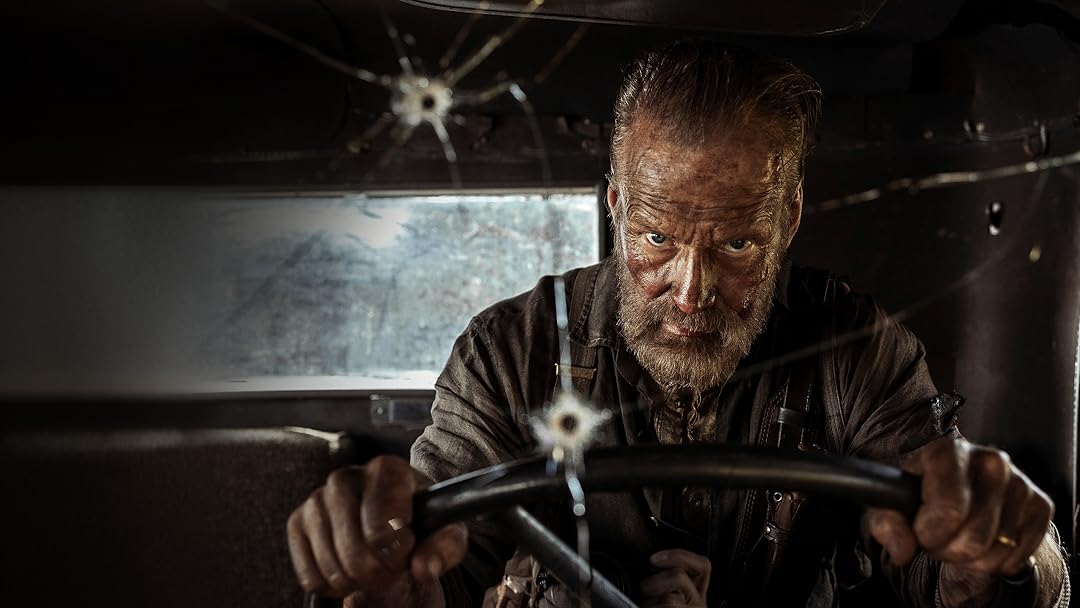
Sisu 2: Road to Revenge announces its intent with a blunt and irresistible hook, returning to the scorched landscapes of postwar Finland to watch one unbreakable man cross paths with a new regime that believes it can finish what the Nazis failed to do. The film wastes no time explaining itself, presenting a stripped-down pursuit story in which survival, revenge, and stubborn endurance collide along the back roads of a country changing hands.
The story resumes after the collapse of Nazi control, with Aatami Korpi still moving through a land that has taken everything from him except his will. His quiet existence fractures when Soviet forces enter the region, bringing with them Igor Draganov, a feared Red Army enforcer whose reputation precedes him.
Their paths converge with grim inevitability, and the film shapes itself around that collision, focusing on momentum rather than mythmaking. The plot stays lean, moving directly from loss to pursuit without detours, trusting the audience to fill in emotional gaps through action rather than exposition.
Jorma Tommila once again carries the film as Aatami, a hero defined less by dialogue than by physical presence and resolve. His performance relies on stillness, pain, and a face that tells its own history, making every violent encounter feel like a continuation of something long settled in his bones.
Opposite him, Stephen Lang brings menace and intelligence to Draganov, crafting a villain who is not loud or theatrical but coldly assured, a man who believes brutality is simply administration by other means. Their contrast anchors the film, with Tommila’s silence pushing against Lang’s measured authority.
Jalmari Helander directs with the same clarity that defined the original Sisu, continuing a career built on muscular genre filmmaking that includes Rare Exports and Big Game. His strength lies in understanding scale, knowing exactly how much story is needed to support a set piece and no more. Here, he expands the world just enough to suggest broader consequences without diluting the core chase. Helander’s confidence shows in his refusal to overexplain, allowing images, movement, and cause-and-effect to carry the narrative forward.
The action design remains rooted in practical stunt work, favoring physical danger over digital excess. Fights unfold in open terrain, forests, and improvised battlegrounds where ingenuity matters more than firepower. The camera stays readable and close to the action, emphasizing geography and timing rather than spectacle, while the editing keeps each sequence sharp and propulsive. Helander stages violence with a sense of play that never undercuts its impact, delivering moments that feel brutal, inventive, and darkly amusing without slipping into excess.
Sisu 2: Road to Revenge will reward viewers who value economy, physical storytelling, and old-school action craft over sprawling mythology or bloated runtimes. It is a film for audiences who want clear stakes, memorable villains, and set pieces built from sweat and steel rather than noise. By staying focused and unapologetically direct, it proves that expansion does not require inflation, only confidence in what already works.