By
By 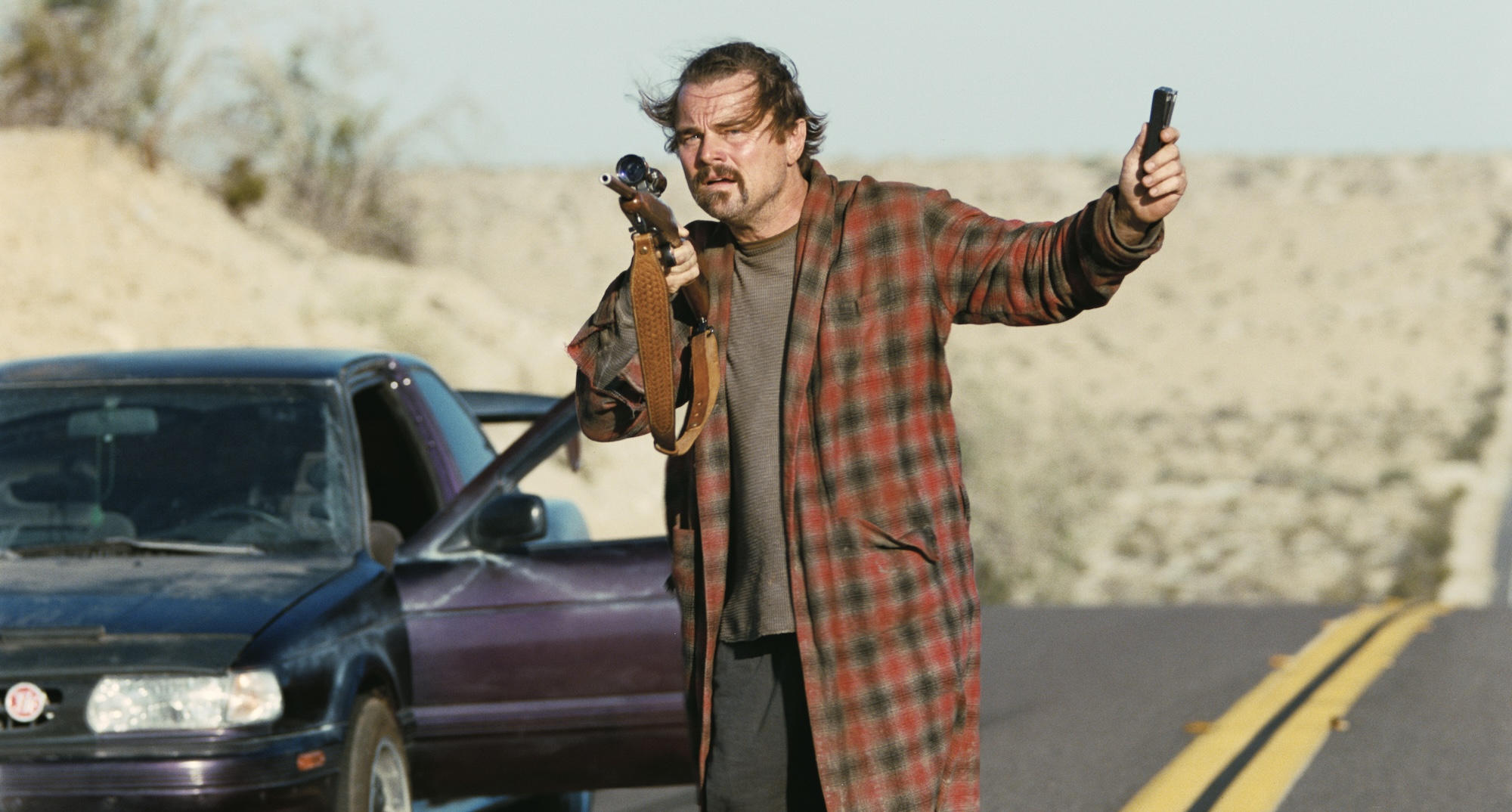
This post contains spoilers for One Battle After Another.
Like anyone who wins a major Oscar, Paul Thomas Anderson was given a platform. And he used that platform to urge people to treat one another better, providing few specifics in any speech he gave after One Battle After Another earned another award. For some, that lack of detail stems from the movie, which gestures at revolutionary politics but doesn’t offer much detail. But Anderson himself isn’t interested in details, at least outside of the movie.
“Our film obviously has a certain amount of parallels to what’s happening in the news everyday, so it obviously reflects what’s happening in the world,” he admitted to Deadline. “In terms of where it’s going – I don’t know… But I know that the end of our movie is our hero, Willa, heading off to continue to fight against evil forces, and I think like I said in my speech, at least put common decency back into fashion.”
While his imprecision may annoy some, Anderson’s comments remind us that One Battle After Another is less a strident political work and more a picture of people who live political lives.
Nothing illustrates this point better than the final exchange between Bob Ferguson (Leonardo DiCaprio) and his daughter Willa (Chase Infiniti). The two had just spent the past two hours of screentime running from Colonel Lockjaw (Sean Penn) and the U.S. military, as well as an assassin from a secret White Supremacist group called the Christmas Adventurers Club. Moreover, Bob used to be Ghetto Pat Calhoun, who served alongside Willa’s mother Perfidia Beverly Hills (Teyana Taylor) in the revolutionary group the French 75.
But as Willa leaves, Bob just shouts, “Be careful,” to which she answers, “I won’t.” It’s the type of exchange any parent would have with their kid, no matter how dull their lives may be, a point underscored by the fact that we then watch as Bob fumbles his way around an iPhone. The scene feels so relatable because that’s what it’s trying to be, just a picture of a parent with a teenage kid. Nothing more.
Yet, it’s easy to understand why some viewers would want One Battle After Another to be more strident in its politics. The film features many elements that resonate with anyone angry at the state of the world in general, and America in particular. The movie begins with a thrilling mini-film in which Bob, Perfidia, and the French 75 liberate immigrants from a detention center. Later in the film, Lockjaw leads a group that blurs the line between military and police, and which look an awful lot like the ICE agents who kill and kidnap civilians. Anderson even cast former Homeland Security agent James Raterman as Lockjaw’s right-hand man, Colonel Danvers.
Yet, as much as the Christmas Adventurer’s Club may bring to mind the shadowy forces who work to shore up power among a small group of elites, it also reminds us of the true source material of One Battle After Another. Anderson drew inspiration for his movie from Vineland, the 1990 novel by high-postmodernist Thomas Pynchon. Pynchon’s work certainly responds to the fall-out of the ’60s and the reactionary turn American politics took in the 1980s, but it exists in its own, absurd world, one of secret societies and pop-culture mysteries. If it’s a reflection of the real world, then it’s a reflection in a fun house mirror.
Instead, One Battle After Another talks about the need for revolutionary politics only broadly, which is part of the movie’s point. The way that the French 75 fought against oppression must be different from what Willa and her generation does. The threat mutates, the specifics change, and resistance must be as nimble as the regimes they hope to undo. Bob—and, it is implied, Perfidia—must learn how to let the next generation fight in the way that speaks to their times.
The same is true of the audience. Movies can and do paint specific pictures of oppression and ways to fight back; see classics such as The Battle of Algiers and Medium Cool, or, more recently, How to Blow Up a Pipeline. But there’s value to a sort of fill-in-the-blank type movie too, such as 2024’s Civil War. These films gesture toward evils that exist, but they don’t do the audience’s resisting for them. Instead, it simply reminds the viewer that there are forces in the world that would destroy good things in their pursuit of power.
What are those good things? Again, the film doesn’t get specific. The “common decency” that Anderson mentions is certainly one of them, but so is the imperfect love between a dad and daughter, which is, after all, the real subject of One Battle After Another.
One Battle After Another is now streaming on HBO Max.
The post One Battle After Another Is Political But It Isn’t About Politics appeared first on Den of Geek.