By
By 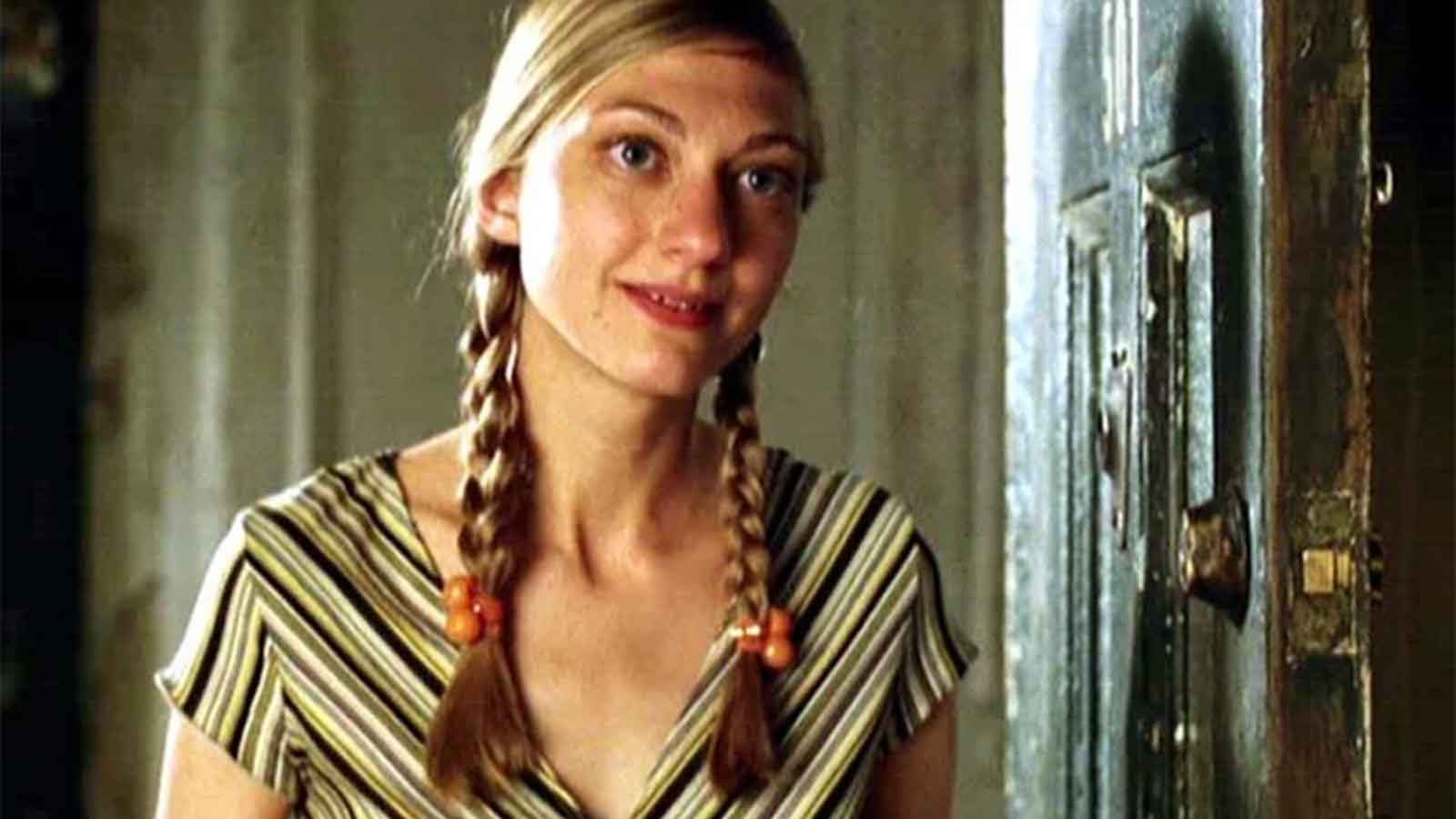
Sometimes the smallest details in a movie reveal the biggest problems in its logic or world-building. A character’s actions, a setting choice, or a subtle plot device can make you question the story once you notice it. Many of these details are easy to miss on a first watch, but once you see them, they might make it hard for you to watch the movie the same way again.
Spider-Man 2 – Ursula Knows Peter’s “Type”
Peter Parker’s neighbor Ursula, styles her hair in pigtails when bringing him cookies, resembling Mary Jane’s earlier look. The implication is subtle but uncomfortable: she’s intentionally mirroring the girl Peter is clearly obsessed with, suggesting she understands his preferences.
Harry Potter and the Prisoner of Azkaban – Time Travel for Homework
Hermione is entrusted with a Time-Turner, a device capable of manipulating time itself, simply to attend extra classes. The unsettling implication is that Hogwarts possesses time-altering technology but reserves it for scheduling conflicts rather than preventing catastrophic events tied to Voldemort.
The Dark Knight – Batman’s Surveillance State
Lucius Fox objects to Bruce Wayne’s sonar-based mass surveillance system, which taps into every phone in Gotham. The unfortunate detail is that Batman actually builds and uses it anyway, effectively spying on an entire city to catch one criminal.
Jurassic Park – The Real Villain Might Be Negligence
The park’s disaster isn’t just caused by sabotage. Hammond knowingly cuts costs on security systems and hires underqualified staff for a genetically engineered dinosaur park. The catastrophe feels less like an accident and more like predictable corporate recklessness.
Home Alone – Kevin’s Family Barely Notices Him
Kevin is forgotten not once, but twice across the series. The unfortunate detail is that this isn’t just bad luck it highlights how invisible he seems within his own family dynamic.
Back to the Future – Marty’s New Timeline Parents
When Marty returns to 1985, his parents are wealthier, more confident versions of themselves. Technically, he has replaced the original timeline version of himself with a new family dynamic, meaning he now exists in a reality shaped by experiences he never lived.
Inception – The Spinning Top Ambiguity
At the very end, Cobb’s totem spins, but the camera cuts before it falls. While this is meant to create suspense, it also highlights a strange narrative loophole: the entire dream logic could render every prior event meaningless if he’s still asleep.
E.T. the Extra-Terrestrial – The Parenting Oversight
Elliott’s mother leaves her children largely unsupervised for extended periods, allowing a kid to house an alien without intervention. It’s charming but also unsettling, as it implies a level of parental negligence that would be impossible in real life.
The Hunger Games – The Convenient Supply Drops
Katniss frequently survives near-death situations thanks to carefully timed supply drops. While this advances the story, it raises questions about how much the organizers manipulate events for spectacle rather than letting survival be truly random.
The Lion King – Scar’s Ecological Logic
Scar kills Mufasa and assumes leadership, leading to environmental collapse. While dramatic, the movie assumes a predator’s death can instantly and catastrophically unbalance an ecosystem in ways that oversimplify real ecological dynamics.
The post 10 Unfortunate Movie Details We Never Thought of appeared first on Den of Geek.