By
By 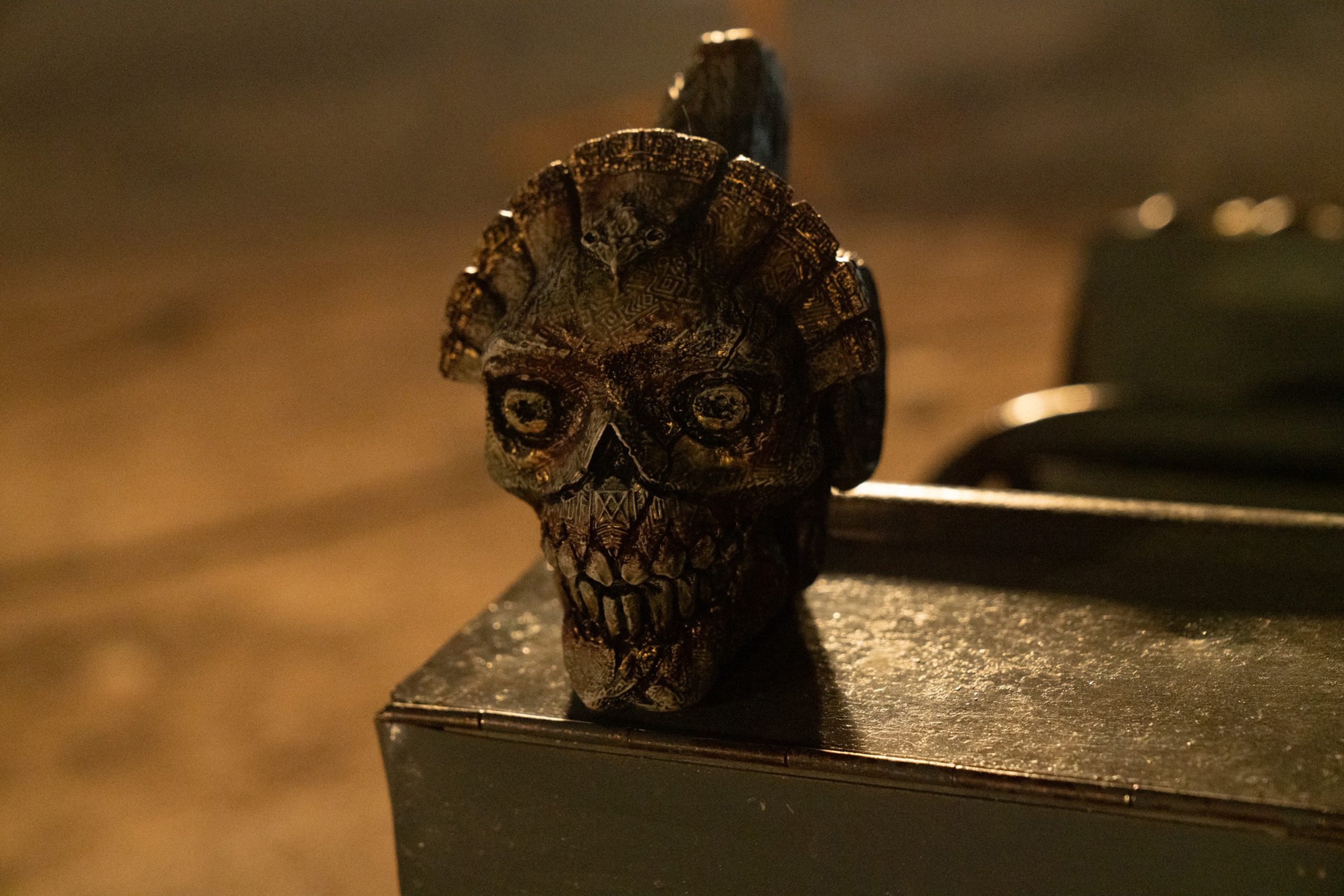
Whistle (2025)
Don’t Blow It
Blow it and brace yourself.
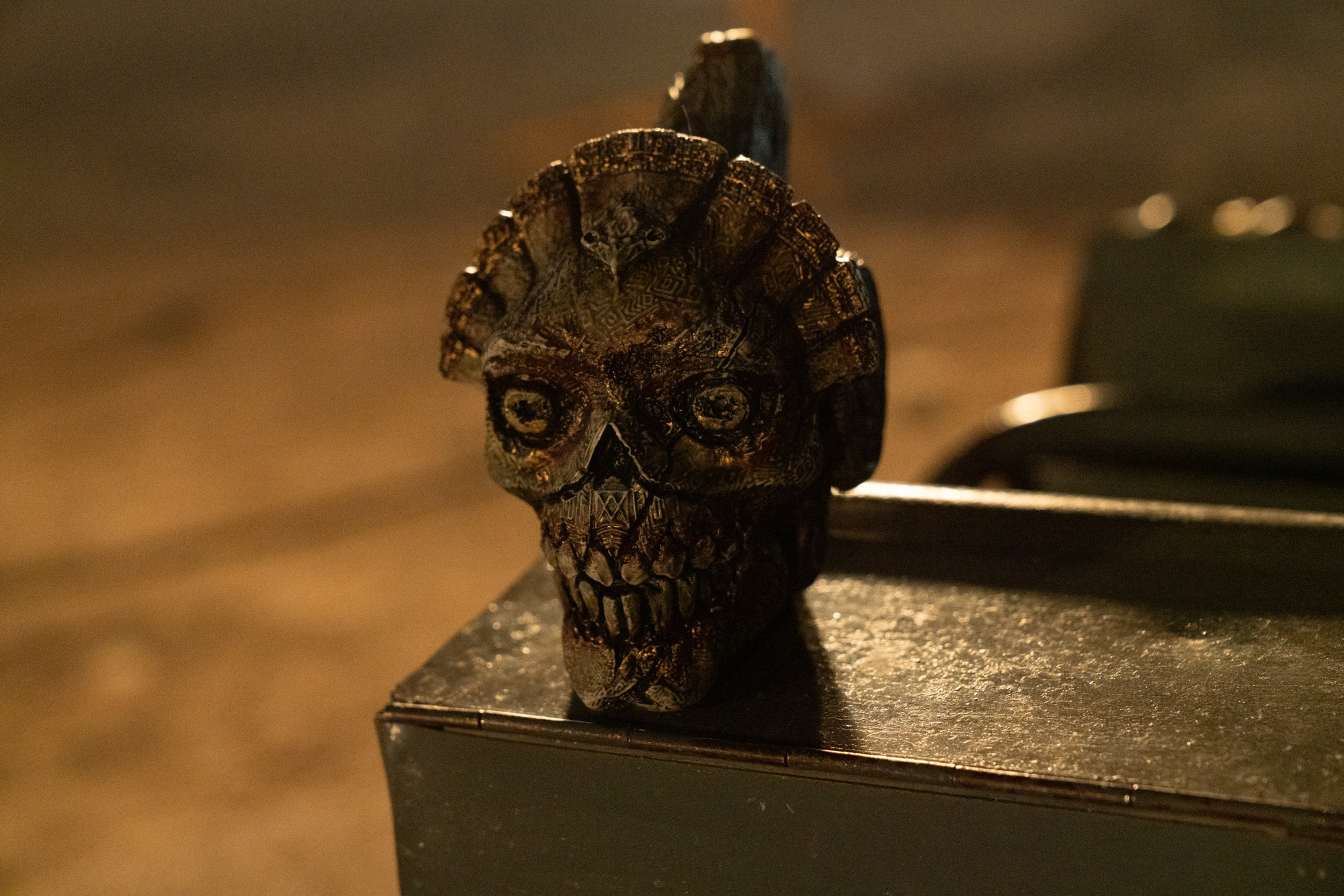
Premiering at the 2025 edition of the Toronto International Film Festival, Whistle arrived with clear genre credentials and zero intention of playing subtle. Directed by Corin Hardy — best known for The Hallow (2015) and The Nun (2018) — and written by Owen Egerton, based on his own short story, the film blends teen slasher energy with a supernatural hook inspired by the real-world Aztec ‘death whistle,’ a ritual instrument infamous for its piercing, human-like shriek.
The result is an inevitability-of-death horror story that wears its influences proudly — particularly its proximity to Final Destination — while layering in a mythic, ritualistic spin of its own.
Whistle opens with a brutal prologue at Pellington High School: star basketball player Mason ‘Horse’ Raymore (Stephen Kalyn) is chased through the locker room showers by a horrifying, human-shaped inferno before being incinerated alive. Several teammates witness the attack, but no one can explain what they saw. The sequence is swift and vicious, immediately signaling that something supernatural has arrived — and it’s not subtle.
Listening closely … because death doesn’t knock politely.
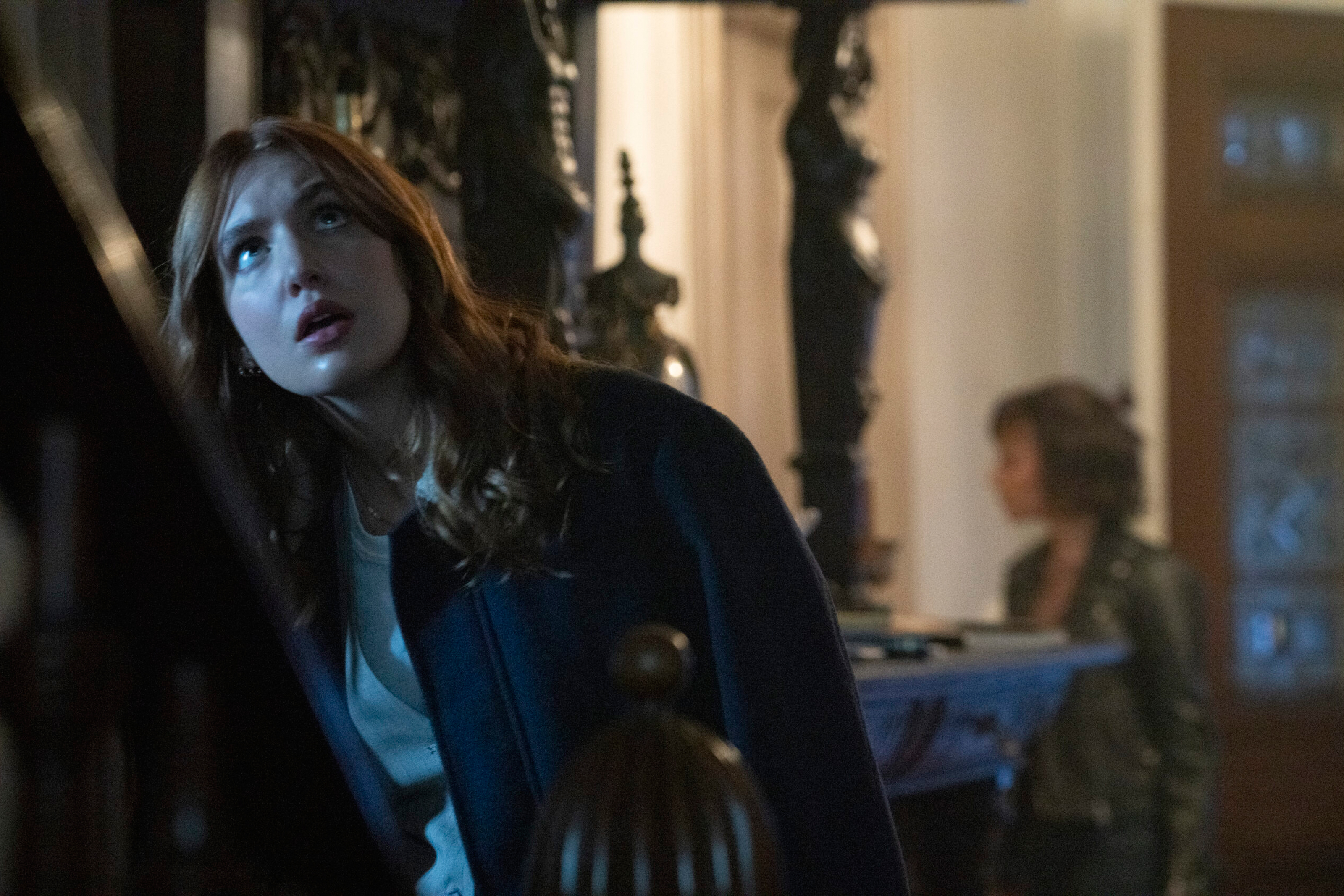
Six months later, Chrys Willet (Dafne Keen) transfers to Pellington High following a life-altering tragedy. Quiet and guarded, she reconnects with her cousin Rel (Sky Yang), who introduces her to his loosely assembled friend group: Grace (Ali Skovbye), the charismatic blonde; Dean (Jhaleil Swaby), the well-meaning but dim jock; and Ellie (Sophie Nélisse), the perceptive outsider who sees more than she says. They don’t quite make sense as a social unit — but then again, neither do most horror ensembles.
During detention, Chrys unveils an ancient whistle she discovered hidden inside her school locker. Strange and almost ceremonial in design, it clearly doesn’t belong to anyone at Pellington High. Curious — and fatally careless — she shows it to her classmates. What begins as idle fascination quickly spirals; Mr. Craven (Nick Frost) confiscates the whistle, casually noting he could potentially sell it online. Not wanting it to vanish into his desk drawer, the group steals it back. Later that night, away from school grounds, they decide to blow it.
That single impulsive act activates a curse far crueler than a standard slasher setup. The rules are simple: if you hear the whistle’s scream, your destined cause of death begins hunting you — not metaphorically, but physically. No masked killer. No attic ghost. Each teen is stalked by a personalized manifestation of how they were always meant to die. The curse doesn’t invent new horrors — it accelerates what was already written.
As Chrys and her friends dig into the whistle’s origins, they realize Mason’s death wasn’t random. It was the opening move. The curse doesn’t merely predict fate — it forces it forward. What follows is a tense scramble to outmaneuver futures that feel terrifyingly predetermined.
Yes, comparisons to Final Destination are unavoidable. The structure is familiar: a group marked by death, elaborate set pieces, inevitability closing in. But Whistle differentiates itself by literalizing each demise into an overt supernatural event rather than a chain of accidents. The mechanics may echo its predecessor, but the execution is far more mythic and reality-bending.
Not your average school spirit.
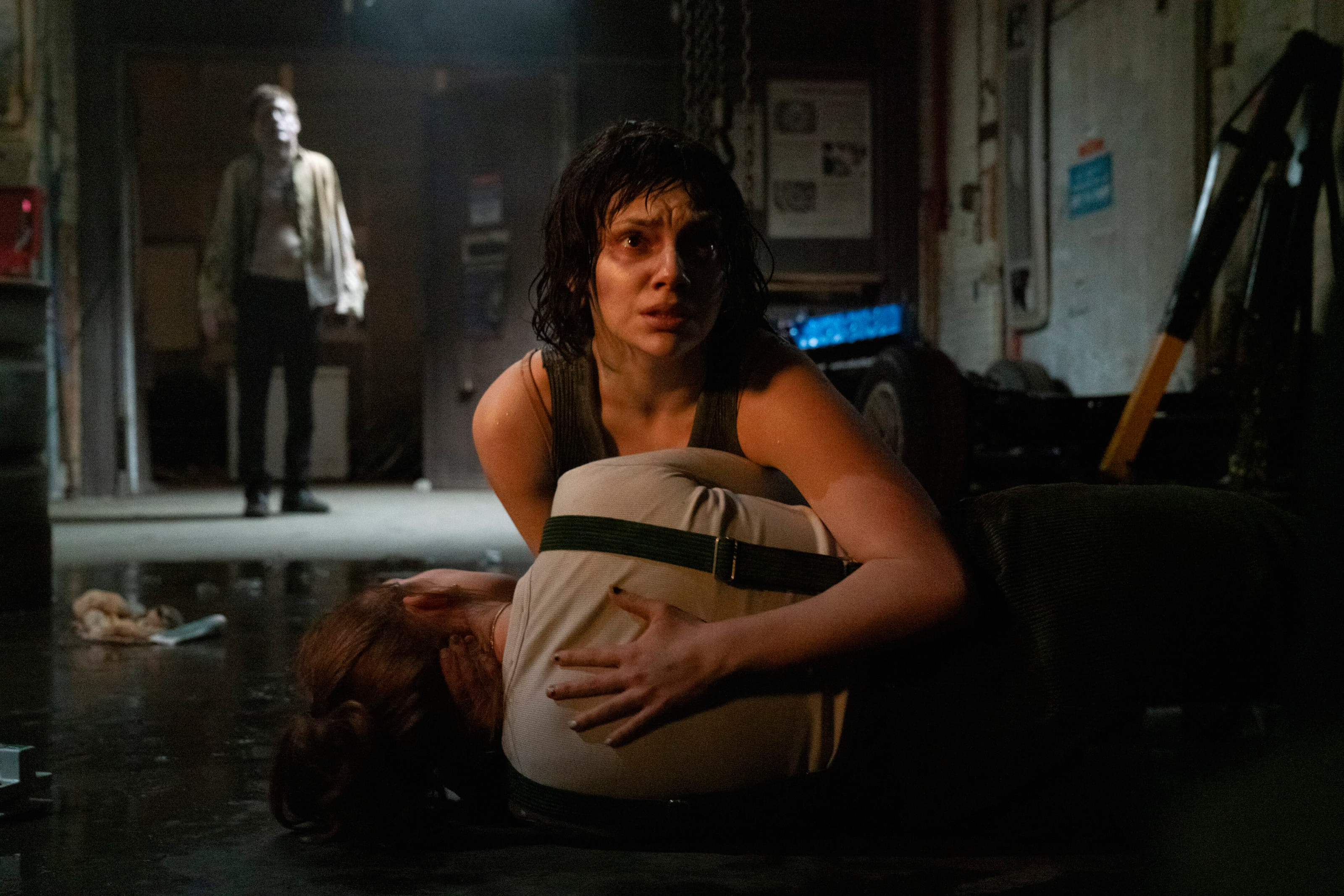
The kill sequences are where the film truly distinguishes itself. These are not coy, cut-away deaths. They are staged, prolonged, and often shockingly graphic. One standout involves a teen whose foretold fate is a car crash. Instead of unfolding on a highway, the accident materializes inside his bedroom. He is suddenly seated inside a phantom vehicle as the crash violently manifests around him — as though his future has intruded into the present. It’s absurd, yes — but deliberately and spectacularly so.
Other deaths range from grotesque rapid aging to crushing impacts staged with operatic excess. Practical effects dominate, with shattered bone and arterial spray rendered in uncomfortable clarity. CGI is used sparingly to enhance supernatural distortions rather than replace tangible gore. For a mid-budget horror entry, the craftsmanship is impressive.
If the plotting occasionally follows familiar beats, Hardy’s visual control keeps things engaging. There’s a cold, industrial edge to the production’s aesthetic — harsh lighting, metallic surfaces, steam and concrete — giving even mundane spaces an oppressive weight. Decay is framed with eerie beauty; destruction carries heft. The camera rarely flinches, and the sound design is equally precise, weaponizing silence as sharply as the whistle’s shriek.
This is unapologetically teen horror. Characters make questionable choices. They argue when urgency demands action. They split up when they shouldn’t. Yet the cast elevates what could have been thin archetypes.
Dafne Keen, best known for her breakout role in Logan (2017), anchors the film with emotional weight, giving Chrys a wounded resilience that grounds the surrounding supernatural chaos. Nélisse’s Ellie provides skepticism and warmth, while Sky Yang and Jhaleil Swaby inject levity without slipping into parody. Ali Skovbye is well cast, making the ‘popular girl’ feel human rather than hollow. Even Nick Frost, as Mr. Craven, balances comic relief with a subtle undercurrent of authority.
No final girl immunity. Just final notice.
The relationship between Chrys and Ellie, in particular, gives the film a pulse beyond spectacle. Without that grounding, Whistle risks becoming a showcase of inventive fatalities. With it, the stakes feel tangible.
Whistle isn’t reinventing the ‘death can’t be cheated’ formula. It sharpens it, amplifies it, and coats it in supernatural ritualism. The structure is recognizable. The inevitability is clear. But the film understands that the appeal of this subgenre lies in anticipation — in watching the inescapable unfold with escalating creativity. When it falters, it’s due to predictability rather than incompetence.
The Final Whistle. The film succeeds because it knows exactly what it is: a blood-soaked, fate-driven thrill ride that leans into its genre DNA rather than resisting it. Slick, graphic, occasionally ridiculous, and frequently entertaining, Whistle may not be the most groundbreaking horror film of the year, but it is a confident, well-crafted entry that delivers inventive carnage with supernatural flair. For fans of elaborate death mechanics and high-concept teen horror, it’s a wickedly fun ride.
Just maybe think twice before blowing into any mysterious ancient artifacts you find in your locker.
3 / 5 – Good
Reviewed by Stu Cachia (S-Littner)
Whistle is distributed by Roadshow Entertainment Australia