By
By 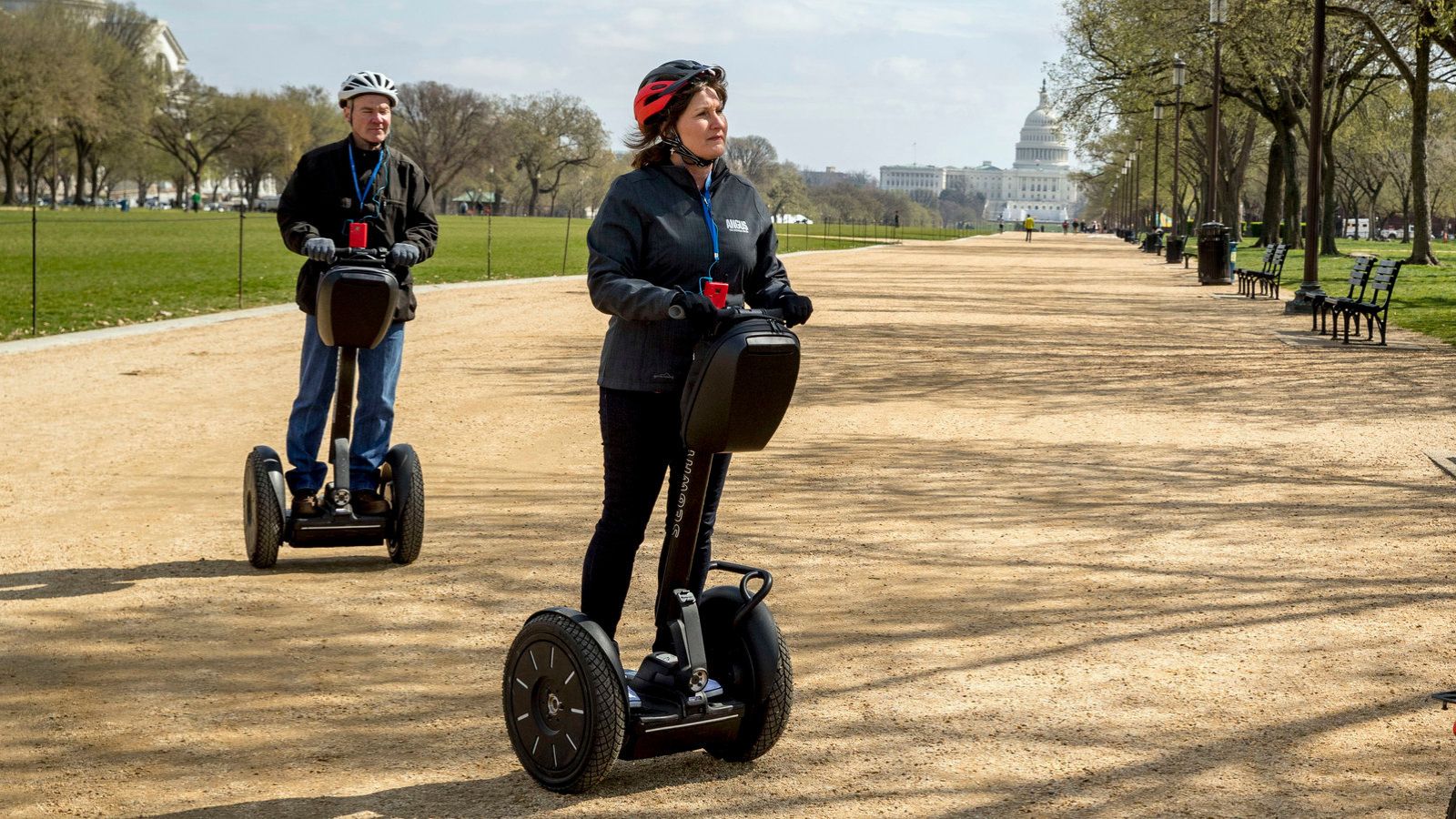
Technology cycles move quickly, and products are often marketed as industry changing before they reach consumers. In many cases, strong launch events, media coverage, and early investor enthusiasm create the sense that a device or platform will redefine daily life. Some do. Others fail to gain adoption, face technical limitations, or struggle with pricing and practical use. From wearable tech to new media formats, several high profile launches were positioned as the next major shift in consumer behavior but never achieved long term traction. This list looks at 10 widely promoted innovations that generated attention but ultimately fell short of expectations.
Google Glass
Launched in 2013, Google Glass was promoted as the future of wearable computing. Privacy concerns, high cost, and limited practical use prevented widespread consumer adoption.
Segway
Introduced in 2001 with major hype, the self balancing personal transporter was expected to change urban mobility. It remained a niche product and was discontinued in 2020.
3D Televisions
Marketed heavily in the early 2010s, 3D TVs required special glasses and dedicated content. Consumer interest faded due to limited programming and added inconvenience.
Microsoft Zune
Released as a competitor to the iPod, the Zune struggled to capture market share despite solid hardware and software features.
HD DVD
Backed by major studios and electronics companies, HD DVD lost its format war against Blu-ray, leading to its discontinuation in 2008.
Quibi
Launched in 2020 as a short form streaming platform designed for mobile viewing, Quibi shut down within a year due to low subscriber growth.
Amazon Fire Phone
Amazon’s 2014 smartphone featured dynamic perspective technology and deep integration with Amazon services. It failed to compete with established smartphone ecosystems.
Virtual Boy
Nintendo’s 1995 console promised immersive 3D gaming but suffered from poor ergonomics, limited game selection, and weak sales.
MySpace Relaunch
Once a dominant social platform, MySpace attempted a redesign and relaunch in the 2010s but could not regain relevance against competitors.
Concorde Commercial Supersonic Travel
Supersonic passenger flights were positioned as the future of air travel. High operational costs and limited routes led to Concorde’s retirement in 2003.
The post 10 Times the “Next Big Thing” Didn’t Work Out appeared first on Den of Geek.