By
By 
28 Years Later: The Bone Temple (2026)
Fear is the new faith.
There are franchises that age gracefully, and then there are franchises that mutate — adapting to the anxieties of the moment while still feeling like they crawled out of the same, familiar nightmare. The 28 series has always belonged to that second camp. It’s never been “zombie comfort food.” It’s panic cinema. It’s social collapse shot through a handheld lens. It’s sprinting infected and the awful realization that the scariest thing on-screen might still be the living. Back in 2002, 28 Days Later didn’t just revitalize the genre — it rewired it. Danny Boyle’s jittery, urgent direction and Alex Garland’s sharp script made the apocalypse feel immediate and intimate, like someone could walk outside and stumble into it. The infected weren’t shambling props. They were rage in human form, and the film’s greatest trick was convincing us that society’s thin veneer could be torn in a single bad afternoon.
Fast-forward to the franchise’s modern revival: 2025’s 28 Years Later arrived with Boyle back in the director’s chair and Garland again writing, and it played like a continuation of the original film’s DNA — still savage, still bleakly funny in places, and still deeply human. It also did what a good “legacy sequel” should: it expanded the world without sanding down its edges, and it built a runway for what comes next. And that brings us to 28 Years Later: The Bone Temple, the fourth instalment overall and the follow-up that hands the wheel to Nia DaCosta — a director with enough confidence to honor Boyle’s legacy without photocopying it. The result is a film that’s gnarly, weird, occasionally darkly playful, and — crucially — emotionally alive.
Calm is a choice. He keeps making it.
Picking up after the events of 28 Years Later, the film follows Spike (Alfie Williams) as he’s pulled further into a new survivor ecosystem — one that feels less like a community and more like an ideology. He’s drawn into “The Fingers,” a gang whose charismatic (and deeply unsettling) leader Sir Lord Jimmy Crystal (Jack O’Connell) runs the show with cult-like pageantry and a nasty streak that turns every interaction into a power play.
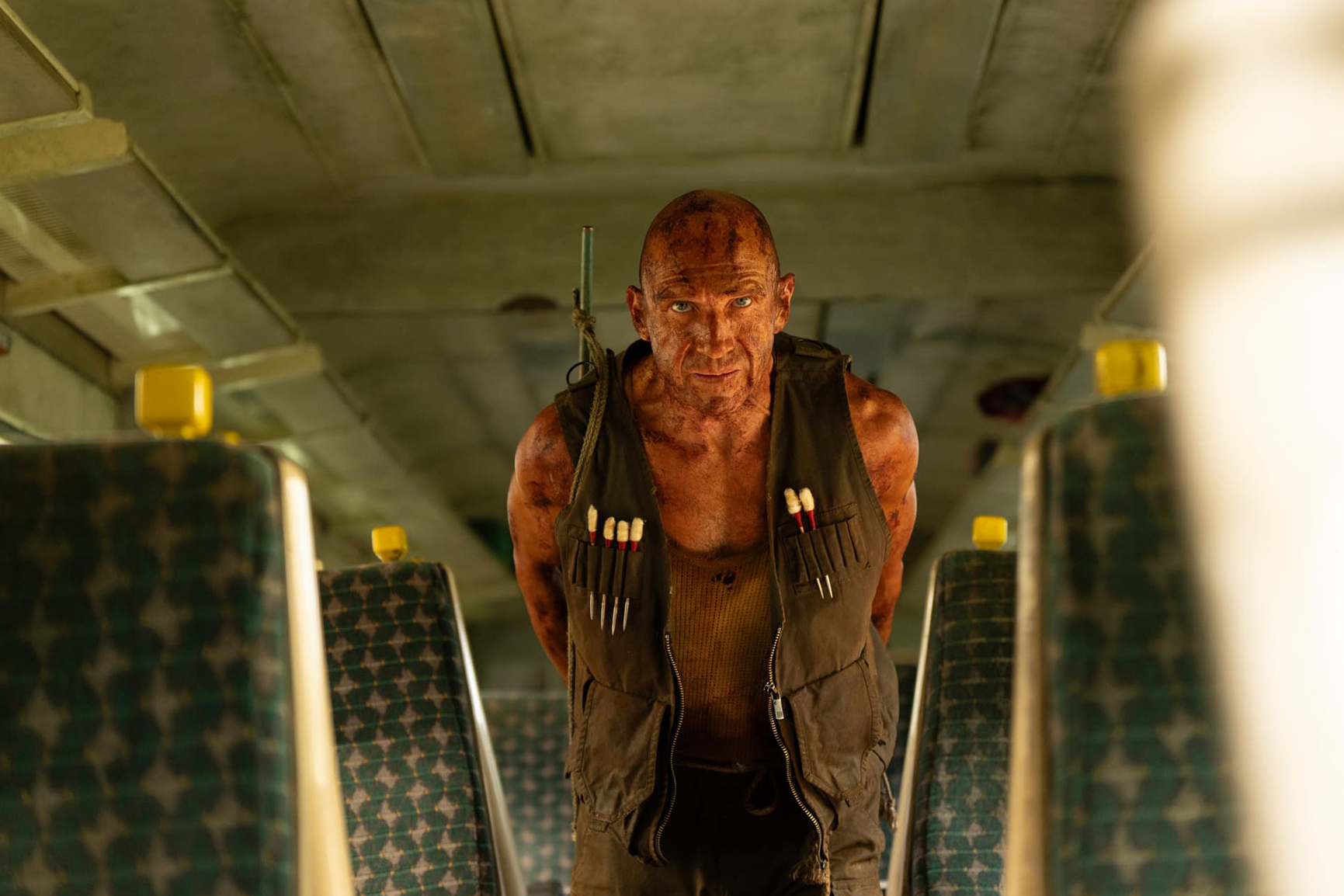
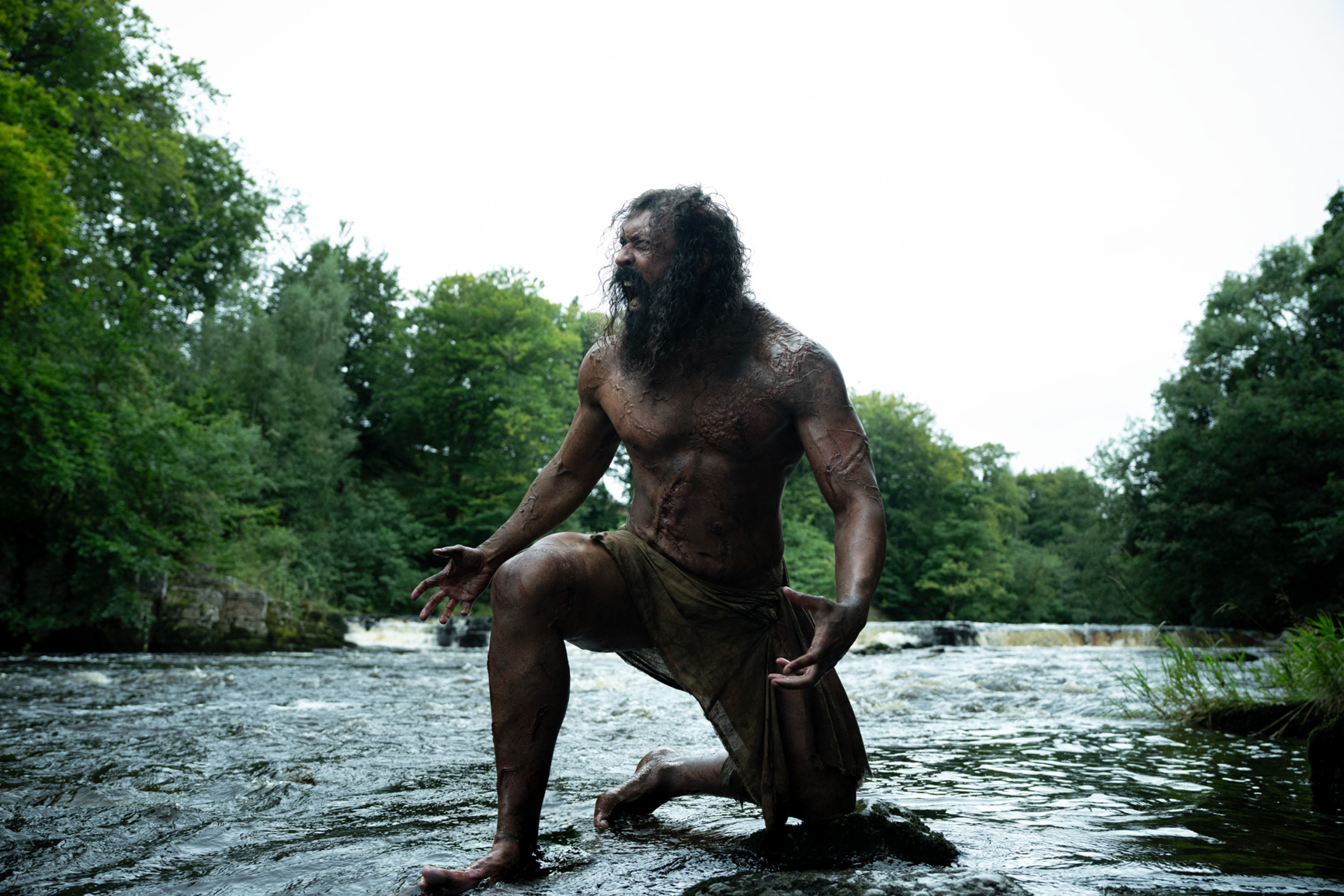
Parallel to that, we spend significant time with Dr. Ian Kelson (Ralph Fiennes), a man who has moved beyond simple survival into something stranger: preservation. Kelson maintains the “Bone Temple” — an ossuary-like memorial built from the remains of those lost — a physical reminder that in this world, the dead don’t stay abstract for long. Kelson’s storyline takes an unexpected turn when he forms a fragile, unsettling connection with an infected “Alpha” named Samson (Chi Lewis-Parry) — a relationship that pushes the film into territory that’s less about “monsters” and more about what’s left of a person when the world insists they’re gone.
DaCosta directs The Bone Temple with a sense of control that’s easy to underestimate early on. She lets scenes breathe — even when they’re horrifying — and isn’t afraid to lean into tonal friction. The film moves from brutality to absurdity to something strangely tender, sometimes within the same sequence. That shouldn’t work. Here, it does.
When the virus discovers patience.
Thematically, this is a film about memory — what we do with grief when there’s no system left to hold it, what “moving on” even means when the world never stops bleeding. It’s also about the seduction of certainty: Jimmy Crystal’s cult offers rules, identity, and belonging in a landscape where those things died long ago. That through-line feels unmistakably rooted in the screenplay by Alex Garland, whose writing once again grounds the madness in uncomfortable human truth. And then there’s the big swing: the idea that “infection” might not erase everything human in a person — a concept the film handles with a surprising amount of empathy without ever turning sentimental. It’s still a 28 film, though — meaning it never forgets that humans can be petty, cruel, tribal, and opportunistic even when the world is ending, especially when the world is ending.
On a technical level, The Bone Temple is confidently assembled. Sean Bobbitt’s cinematography keeps things grounded and tactile — the kind of imagery where mud, blood, and bone feel like textures, not props. It’s also an unflinchingly violent and gory film, with moments of viciousness that land hard and linger. Jake Roberts’ editing maintains pace without chopping the emotion out of scenes, and Hildur Guðnadóttir’s score, paired with needle drops ranging from Duran Duran’s Ordinary World, Girls on Film, and Rio to Iron Maiden’s The Number of the Beast, gives the film a pulse that’s both ominous and oddly hypnotic. Nothing here screams for attention, and that’s a compliment — it’s all in service of the story.
The cast is strong across the board. Alfie Williams continues to be a compelling anchor — believable as someone coming of age in a world where childhood is basically a myth. Jack O’Connell is magnetic as Jimmy Crystal, a blonde, tiara-wearing cult figure whose performative madness masks something far more dangerous. He plays the role with enough charisma that it’s easy to understand why people follow … and enough sadism and menace that it’s just as clear why they shouldn’t. Erin Kellyman stands out as Jimmy Ink, one of the Fingers who quietly rebels against Crystal’s brutality and forms a tentative, emotionally grounded connection with Spike that adds depth to the cult’s internal dynamics.
End of the world. Same old influencers.
But the film ultimately belongs to Ralph Fiennes. As Dr. Kelson, he delivers a performance that’s restrained on the surface and quietly devastating underneath. This isn’t a heroic archetype or a genre cliché — it’s a man who’s stared at the end of the world for so long that compassion has become his final act of resistance, even when it defies logic or self-preservation. There’s a late-film sequence that pushes Kelson into deeply strange territory, asking him to play along with the madness of the world rather than fight it head-on — a moment that lingers thanks to Fiennes’ performance and the bizarre hellish visuals that follow. He brings gravity, pain, warmth, and a haunted decency the film leans on heavily. If there’s one face that stays with you after the credits roll, it’s his.
28 Years Later: The Bone Temple is very good — and in a month as early as January, it could already be one of the best films of the year. It’s bold without being messy, emotional without being soft, and it expands the franchise in a way that feels earned rather than manufactured. And yes, the film saves a smart card for the end: the return of Jim (Cillian Murphy) in a closing scene that’s less “fan-service victory lap” and more quiet thematic punctuation — a reminder that in this universe, survival isn’t the same thing as living, and choosing to help still costs something. After all these years, the rage virus hasn’t burned out — it’s evolved.
4 / 5 – Recommended
Reviewed by Dan Cachia (Mr. Movie)
28 Years Later: The Bone Temple is released through Sony Pictures Australia