By
By 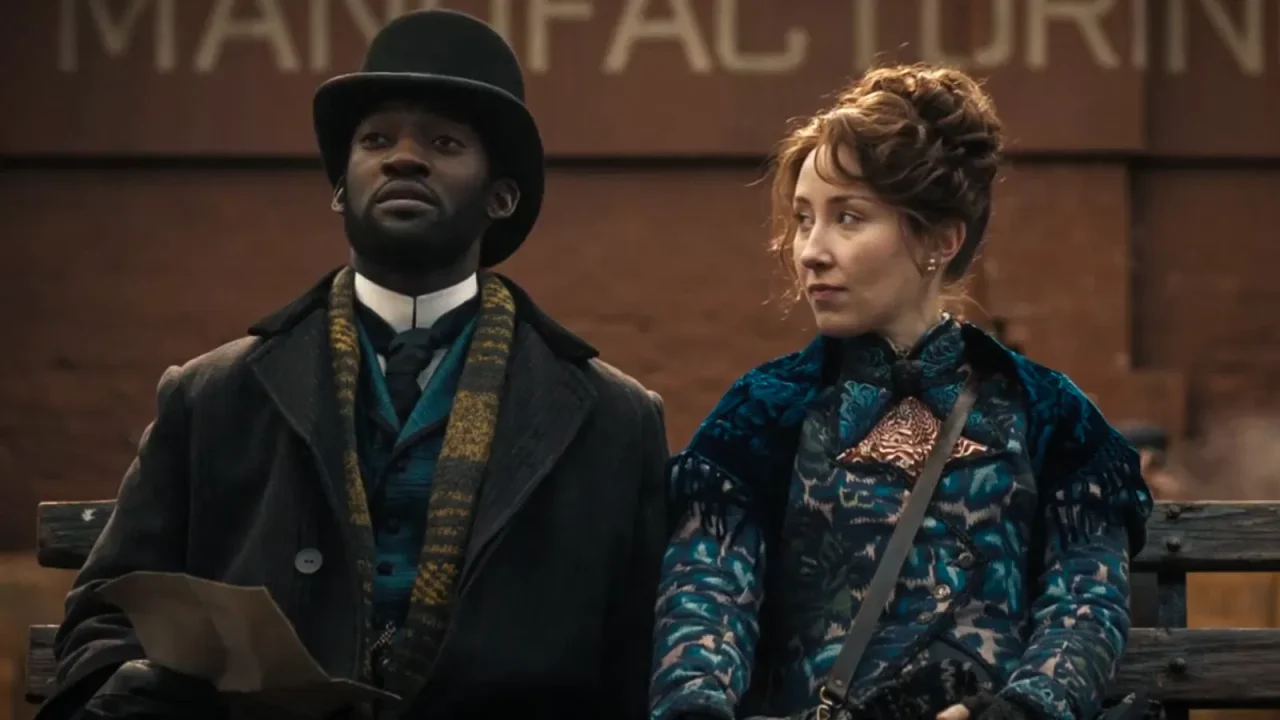
A Thousand Blows returns to the soot-choked underworld of Victorian London with a core hook built on survival after collapse, following three damaged figures trying to reclaim power in a city that has already broken them once.
Set in the bare-knuckle boxing circuits and criminal back alleys of the East End, the season tracks how ambition mutates after loss, and how violence remains both currency and curse for those trapped beneath the law.
At the center is Hezekiah Moscow, played with controlled intensity by Malachi Kirby, a Jamaican immigrant whose original dream of working with animals has long been replaced by the brutal clarity of fists and wagers.
Now a fugitive after killing a rival fighter, Hezekiah boxes on offshore barges, hiding from authorities while chasing advancement through increasingly dangerous fights. Kirby leans into quiet resolve rather than bravado, shaping Hezekiah as a man driven by grief and obligation rather than ego.
Opposite him stands Sugar Goodson, portrayed by Stephen Graham with ferocious weariness, an aging bare-knuckle legend whose body and reputation are failing in tandem. Sugar is no longer a dominant force but a man haunted by what he once was, lashing out as his authority erodes.
Between them is Mary Carr, played by Erin Doherty with sharp calculation, a former queen of the Forty Elephants gang now stripped of status and allies, plotting her return through nerve and precision rather than brute force.
Season two places these characters on diverging paths that repeatedly intersect. Hezekiah seeks vengeance for his fallen friend while navigating an opportunity presented by Prince Albert, played with detached entitlement by Stanley Morgan, who uses boxing as both entertainment and leverage.
Sugar battles his brother Treacle, portrayed by James Nelson-Joyce, in a conflict rooted in family loyalty and accumulated resentment rather than fists alone. Mary balances ambition against instability, attempting to reclaim control of the Elephants while managing the slow collapse of the gang’s old order.
The series is directed by Tinge Krishnan and Ashley Walters, following the foundation laid in season one, and the creative confidence remains evident. Their previous work on character-driven crime dramas informs a style that prioritizes atmosphere and consequence over spectacle alone.
The boxing sequences are staged with a raw, punishing realism, favoring proximity and exhaustion rather than stylized choreography. Fights feel desperate and transactional, filmed close enough to register breath, blood, and fatigue. Outside the ring, gang brawls expand the scale, echoing classic British crime epics while maintaining a grounded physicality.
Cinematography remains a defining strength, capturing the East End in layers of grime and fog before contrasting it with the cold opulence of aristocratic interiors. The camera moves with purpose, often lingering on faces after violence rather than the act itself, reinforcing the emotional cost carried forward. Federico Jusid’s score continues to drive momentum with mechanical precision, underscoring inevitability rather than triumph.
A Thousand Blows season two may feel less surprising than its debut, but it deepens its characters through consequence and endurance rather than novelty. This season will resonate most with viewers drawn to historical crime dramas that value mood, moral ambiguity, and character decay, as well as audiences who appreciate boxing as narrative language rather than pure sport. Those willing to stay for the long fight will find the series still standing, battered but unbowed.